 Pin It
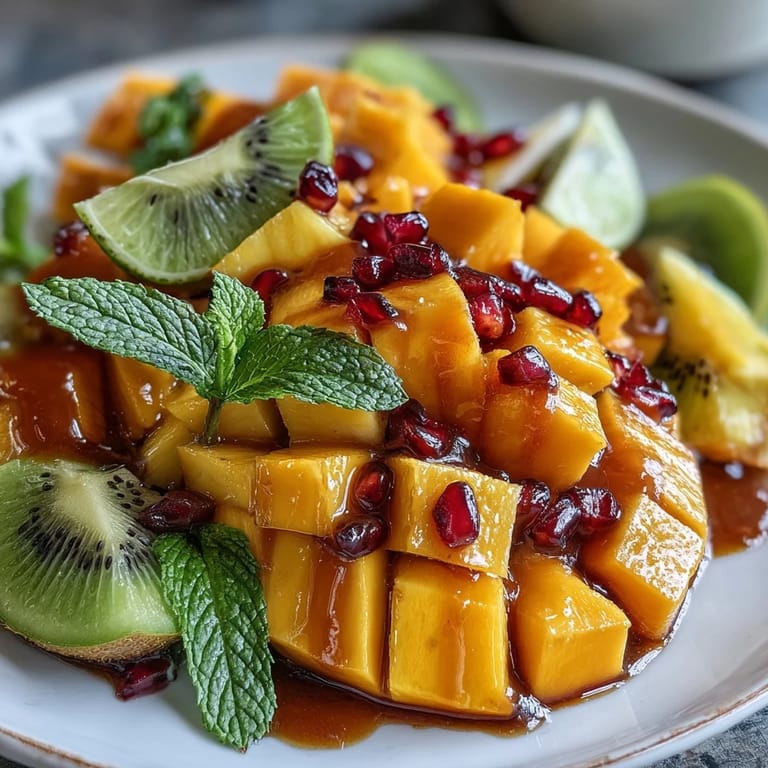
 Summer hit differently the year my neighbor brought over a tiered fruit display that made everyone stop mid-conversation. I stood there watching guests actually linger at the fruit table instead of rushing through to the main course, and something clicked—this wasn't just about nutrition, it was about theater. The colors alone told a story: golden mango, blushing papaya, the shocking pink of dragon fruit. That afternoon, I realized a well-arranged tropical fruit platter could be the most elegant thing on any table, requiring nothing but a sharp knife and an eye for balance.
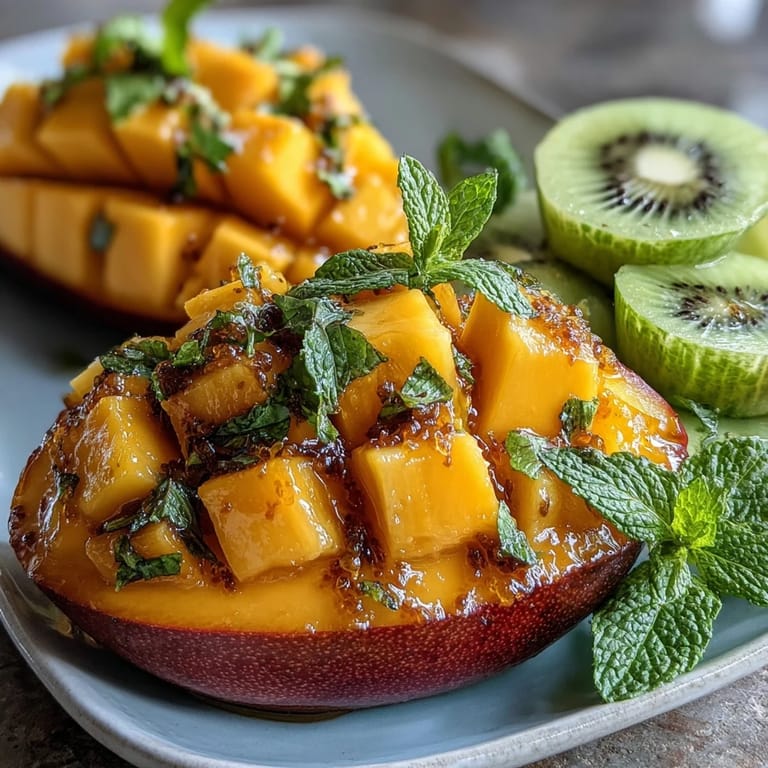
I made this for my sister's engagement party last June, and the bride actually asked for the platter photo before the cake photos. The way those mango slices caught the afternoon light, how the blueberries nestled into the gaps like little jewels—it turned out being the thing people remembered and talked about most. She's still asking me to bring it to family gatherings, which tells you everything about how a simple arrangement can become the unexpected star.
Ingredients
- Ripe mangoes (2): The foundation of this display—look for mangoes that yield slightly to gentle pressure but aren't mushy, and peel them the day before if you're prepping ahead.
- Large pineapple (1): The sweeter the smell at the base, the riper it is; cut it into spears for drama or chunks if you want easier eating.
- Kiwis (2): Their bright green flesh provides color contrast, so don't skip them even if you think you don't love kiwi.
- Papaya (1): Choose one that's mostly yellow with just a hint of green, and those black seeds aren't waste—toast them if you're feeling adventurous.
- Dragon fruit (1): It's mostly water and mild flavor, but visually it's worth its weight in gold on any platter.
- Seedless red grapes (1 cup): Their natural sweetness and firm texture make them perfect for filling gaps and adding shine.
- Fresh strawberries (1 cup): Halve them just before assembly to keep them from weeping juice all over the display.
- Blueberries (1 cup): Scatter them last as they have a magical way of looking intentional in the crevices.
- Fresh mint leaves (1/4 cup): Don't bruise them while handling—tear gently right before serving for maximum aroma.
- Lime wedges: A squeeze of lime before eating brightens every single fruit on this platter.
- Vanilla Greek yogurt (1 cup, optional): The dipping sauce transforms this from a side into a legitimate dessert experience.
- Honey or agave syrup (1 tablespoon): Just enough to balance the tartness without making it dessert-y in a heavy way.
- Lime zest: This single ingredient makes the yogurt dip feel intentional and thoughtful.
Tired of Takeout? 🥡
Get 10 meals you can make faster than delivery arrives. Seriously.
One email. No spam. Unsubscribe anytime.
Instructions
- Prep your fruits with intention:
- Cut everything about an hour before serving so flavors settle without fruits drying out or browning. Pat your mango and papaya slices gently with paper towel to remove excess moisture—this prevents the display from looking weepy.
- Build your base strategically:
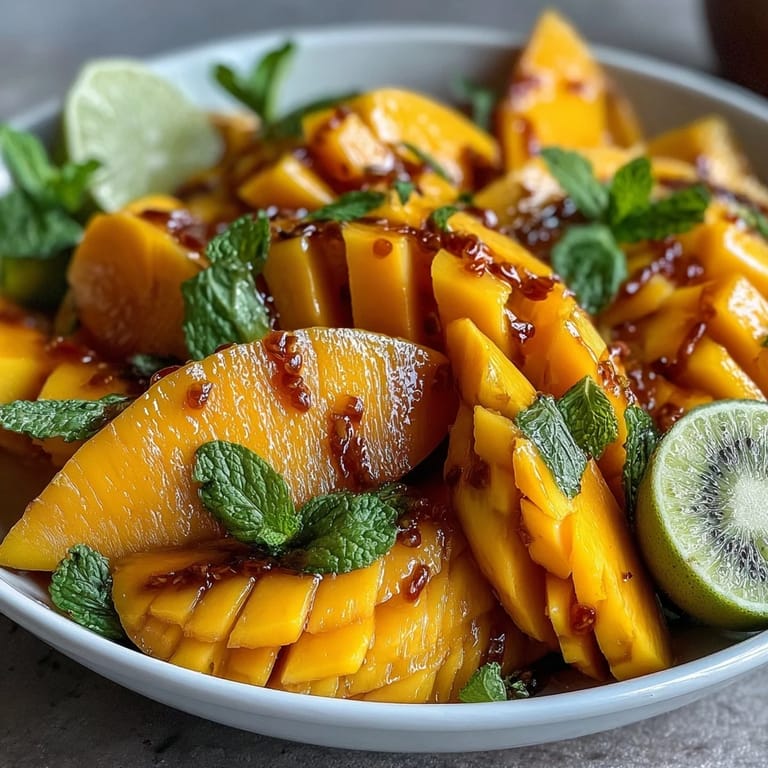
- Start with the largest fruit pieces (mango and pineapple) as your anchor, fanning them in a way that shows off their shape. This isn't random—think of it like you're conducting a fruit orchestra, with each color finding its voice.
- Layer with rhythm:
- Work outward from the center, alternating colors so no two similar tones sit adjacent. The papaya next to the mango, the kiwi where you need green, the dragon fruit where you want shock value—let color be your guide.
- Fill the gaps thoughtfully:
- Grapes and blueberries slip into crevices like they belong there. Strawberries form bridges between sections.
- Finish with fragrance:
- Mint and lime don't just look pretty—they signal to your guests that this is about freshness and brightness. Scatter mint leaves where they'll catch light and be easily grabbed.
- Make the dipping sauce if you're feeling fancy:
- Whisk yogurt, honey, and lime zest together about 15 minutes before serving so the flavors marry. Keep it in a chilled bowl on the side—it transforms the fruit from snack into something approaching dessert.
- Keep everything cool until showtime:
- Pop the whole display in the refrigerator until your guests arrive. The cold makes everything taste brighter and look more refreshing.
 Pin It
 My friend texted me a photo six months after tasting this at a gathering, saying she'd finally made it herself and her kids actually ate fruit without negotiation. That message meant more than any compliment because it meant the beauty translated into real life, into actual healthy choices made without struggle. Food that's this pretty has a way of becoming less about impressing people and more about genuinely nourishing them.
The Psychology of Arrangement
There's something about contrasting colors that makes us want to eat healthier. A beige plate of food reads as boring; a rainbow commands respect and attention. The arrangement isn't vanity—it's actually a gift to your guests' brains, making them perceive the food as more valuable, more special, worth savoring instead of rushing through. I've watched people slow down at fruit platters in a way they never do with food served in bowls.
Seasonal Switching
The beauty of this formula is its flexibility—use whatever's at peak ripeness and price. Winter brings different mangoes and citrus; late spring brings strawberries and early stone fruits; fall brings figs and persimmons if you want to shift the whole vibe. I stop thinking of recipes as rigid instructions around fruit—instead I think of them as color and texture templates to fill with what the market is actually offering that week.
Serving Smarter
The difference between a platter that sits untouched and one that disappears is often about how approachable it feels. Tall tiered stands look magazine-worthy but sometimes make people hesitant to grab fruit from the top. A wide, shallow platter with everything at roughly the same level invites participation. The yogurt dip transforms this from something people feel obligated to eat into something they actually crave.
- Set out small forks or toothpicks so guests can grab fruit without it feeling messy or uncertain.
- Refresh the mint leaves halfway through a party if you're serving more than an hour—they'll look droopy otherwise.
- Make extra lime wedges and tuck them throughout the arrangement so people remember to squeeze—it's the secret that makes everything taste better.
 Pin It
 This isn't a recipe you master—it's a canvas you play with, getting better at seeing color and balance the more you do it. Every arrangement teaches you something about what works, and the best part is you get to eat your mistakes.
Recipe FAQs
- → What fruits are best for a tropical display?
Ripe mangoes and pineapples form the base, complemented by papaya, dragon fruit, kiwis, grapes, strawberries, and blueberries for variety in color and texture.
- → How can I maintain the freshness of the fruit display?
Prepare fruits shortly before serving and keep the display chilled. Use citrus wedges like lime to help prevent browning on fruits like mango and papaya.
- → Are there any garnish suggestions to enhance the display?
Fresh mint leaves add aroma and visual contrast. Optional edible flowers or toasted coconut flakes can provide extra flair.
- → Can I prepare a dipping sauce for the fruit display?
Yes, a simple mix of vanilla Greek or coconut yogurt with honey or agave syrup and lime zest complements the fruit's sweetness nicely.
- → Is this fruit display suitable for dietary restrictions?
Using coconut yogurt keeps it vegan and dairy-free. The selection is naturally gluten-free and nut-free, but always check ingredient labels for specific products.