 Pin It
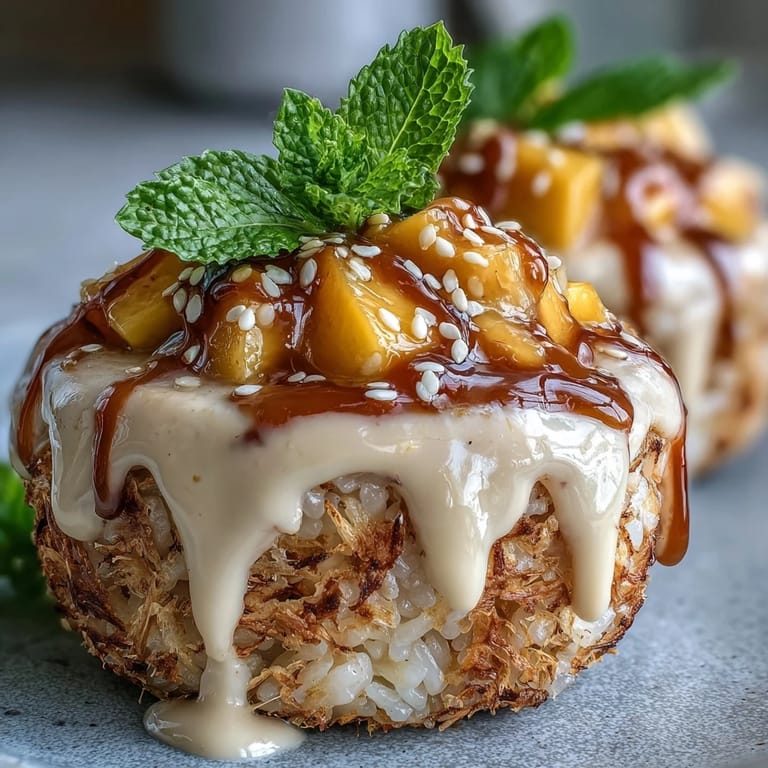
 Sticky rice steaming on the stove, coconut wafting through my little kitchen, and the brightness of sliced mangoes waiting on the counter—it was one of those evenings where dessert was less about impressing anyone and more about celebrating the sheer joy of making something colorful. I stumbled into these mango sticky rice cups after finding myself with more ripe mangoes than I knew what to do with. Their golden sweetness seemed destined for something beyond a smoothie. The satisfaction of spooning creamy coconut-infused rice into individual cups made the whole process feel both playful and modern. This dessert brings Thai flavors into easy, shareable moments—without the fuss.
The first time I served these for friends after a spontaneous dinner at home, what struck me most was the hush that followed everyone’s first bite. There was a gleeful crunch as someone sprinkled toasted sesame seeds on top, followed by the soft clink of spoons as we each enjoyed our own perfect portion. Sharing little cups of sticky rice and mango in the living room pulled everyone together without ceremony—exactly the right amount of sweetness to round off the night. I can still picture the specks of coconut sauce glistening in the lamplight. No leftovers survived.
Ingredients
- Glutinous (sticky) rice: Choose proper sticky rice for that authentic chewy texture; rinsing until the water is clear makes for fluffier results.
- Water: The correct ratio keeps the rice tender but not soggy—a lesson learned after more than one pot went a bit gluey.
- Coconut milk (full fat): Rich, creamy coconut milk is the real star; opt for full-fat varieties for incomparable flavor.
- Granulated sugar: Adds gentle sweetness—taste and adjust if your mangoes are extra sweet.
- Salt: Just a pinch sharpens the coconut’s flavor and balances out the sugar.
- Ripe mangoes: The juicier, the better—choose fruit that gives a little under pressure for maximum sweetness.
- Toasted sesame seeds or mung beans (optional): These add texture and a delicate nutty finish—toast seeds in a dry pan for depth.
- Fresh mint leaves (optional): Brightens each cup visually and adds a light, herbal freshness if you have some handy.
Tired of Takeout? 🥡
Get 10 meals you can make faster than delivery arrives. Seriously.
One email. No spam. Unsubscribe anytime.
Instructions
- Prep the sticky rice:
- Rinse the glutinous rice until the water is clear, then soak for up to an hour if time’s on your side—it makes for softer grains.
- Steam the rice:
- Add rice and water to a small saucepan, bring to a gentle simmer, cover, and let it cook on low until all the water is absorbed and the rice is sticky and tender, usually about 15 to 20 minutes. Let it stand off the heat, lid on, so the steam finishes the job and the aroma fills the kitchen.
- Make the coconut sauce:
- In another saucepan, whisk together coconut milk, sugar, and salt. Warm gently over medium heat, stirring until the sugar dissolves—do not let it boil, or the sauce can separate; save about a third of it for drizzling on top.
- Combine rice and coconut sauce:
- Pour the remaining coconut sauce into the now-cooked sticky rice. Fold it in gently so every grain soaks up richness, then cover and let rest for 10 more minutes to absorb flavor.
- Assemble the cups:
- Spoon the creamy coconut rice into dessert cups (about half a cup each). Layer juicy mango slices over the top and finish with a flourish of the reserved coconut sauce.
- Garnish and serve:
- Scatter over toasted sesame seeds or mung beans for a bit of crunch, tuck in a mint leaf if you like, and serve the cups warm or at room temperature for best flavor.
 Pin It
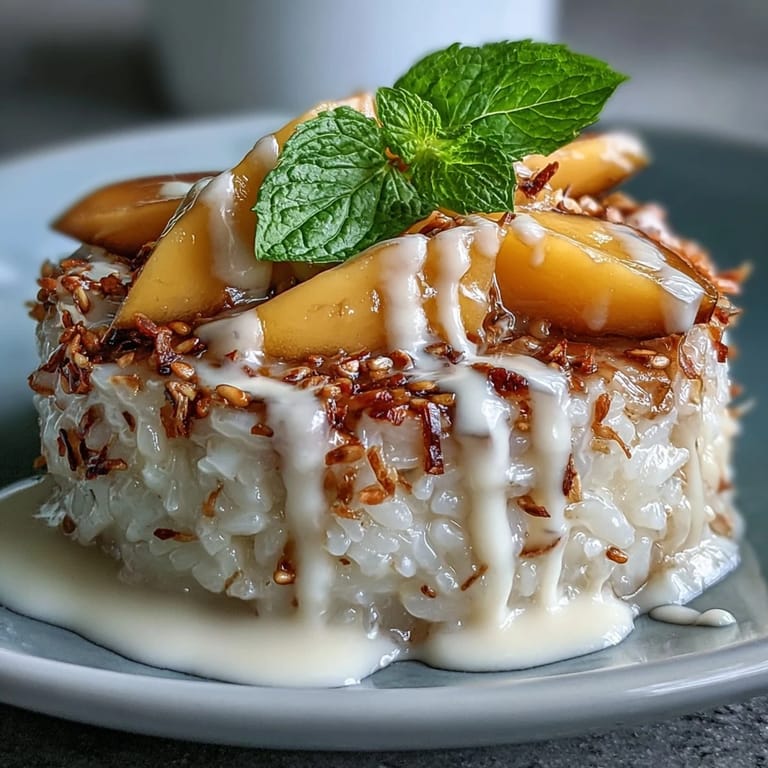
 One sunny afternoon, making these cups for my partner’s birthday, I watched as everyone abandoned dessert plates for spoons and their own little glass. Someone snapped a picture of the golden mangoes alongside that glossy, pearly rice, and suddenly it wasn’t just dessert—it was a small centerpiece for laughter and storytelling that followed. Sometimes, the best dishes become a gathering all on their own.
When Mangoes Are at Their Best
The joy of this dessert is all about using mangoes when they’re just at their peak—deep orange, fragrant, and yielding gently under your fingers. I’ve even planned my weekly grocery run around the boxes of atulfo or Kent mangoes at the market, picking the softest and ripest. If you can, avoid refrigeration beforehand as the flavor intensifies at room temperature. Even slightly bruised mangoes work, as long as they’re not stringy or sour. It’s become my late-spring ritual to hunt down the juiciest mangoes and make extra cups just in case neighbors drop by.
Customizing Your Cups for Fun
I discovered you can play endlessly with toppings and presentation. Toasted mung beans are a great crunchy twist if you find them at an Asian market, but black sesame or even a sprinkle of coconut flakes add their own charm. For a party, I once folded in a dash of pandan extract to the rice—suddenly, the whole kitchen smelled of sweet grass and spring. Use little glass jars or mismatched teacups for serving; they look whimsical and keep dessert fun. My advice: have a topping bar if you’re hosting, and let every guest make their own version of sticky rice perfection.
Make-Ahead Magic (and Leftover Joys)
If you ever find yourself with leftovers, they’re even better scooped straight from the fridge—firm, chewy, and almost like a tropical rice pudding. You can assemble everything a few hours ahead for stress-free entertaining, but drizzle the coconut sauce and add mint just before serving so things stay fresh. Cleanup is surprisingly easy, especially if you soak the sticky rice pot as soon as you’re done (trust me).
- Chill the sticky rice if prepping ahead, but always let it come back to room temp for the best texture.
- Try swapping in pineapple or lychee when mangoes aren’t in season for a new spin.
- Never skip a generous extra pour of coconut sauce right at the end.
 Pin It
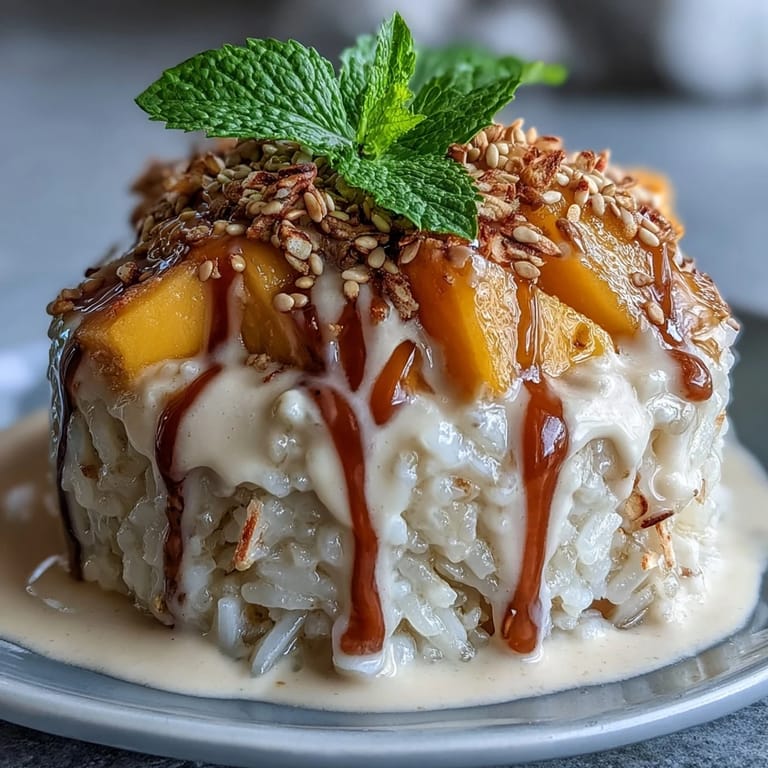
 However you serve these mango sticky rice cups, it’s a little burst of Thai-inspired summer—reassuringly simple, endlessly flexible, and a recipe worth repeating. Here’s to fresh mangoes, full hearts, and dessert that gets everyone grinning.
Recipe FAQs
- → How should I cook the glutinous rice?
Rinse until water runs clear, then soak for about 1 hour if you can. Simmer with measured water over low heat for 15–20 minutes until tender, then let stand covered for 10 minutes before folding in the coconut sauce.
- → Can I use regular jasmine or long-grain rice instead?
Regular rice won’t develop the same sticky, chewy texture. Glutinous (sticky) rice is necessary for the characteristic clump and mouthfeel; substitutions will change the final texture and handling.
- → What type of mango works best?
Choose ripe, fragrant mangoes that yield slightly to gentle pressure—Ataulfo or Nam Dok Mai styles are ideal for sweetness and silky texture when sliced for topping.
- → How do I store leftovers and reheat them?
Keep rice and mangoes chilled separately in airtight containers for up to 48 hours. Reheat the rice gently in a steamer or microwave with a splash of coconut milk to restore creaminess before assembling.
- → Any tips for the coconut sauce?
Warm the coconut milk with sugar and salt just until dissolved—avoid boiling. Reserve about 1/3 cup for drizzling so the rice stays moist but not soggy when served.
- → What garnishes add texture and aroma?
Toasted sesame seeds or lightly fried mung beans give a nutty crunch. Fresh mint or a few drops of pandan extract lift the aroma for a more authentic Thai profile.