 Pin It
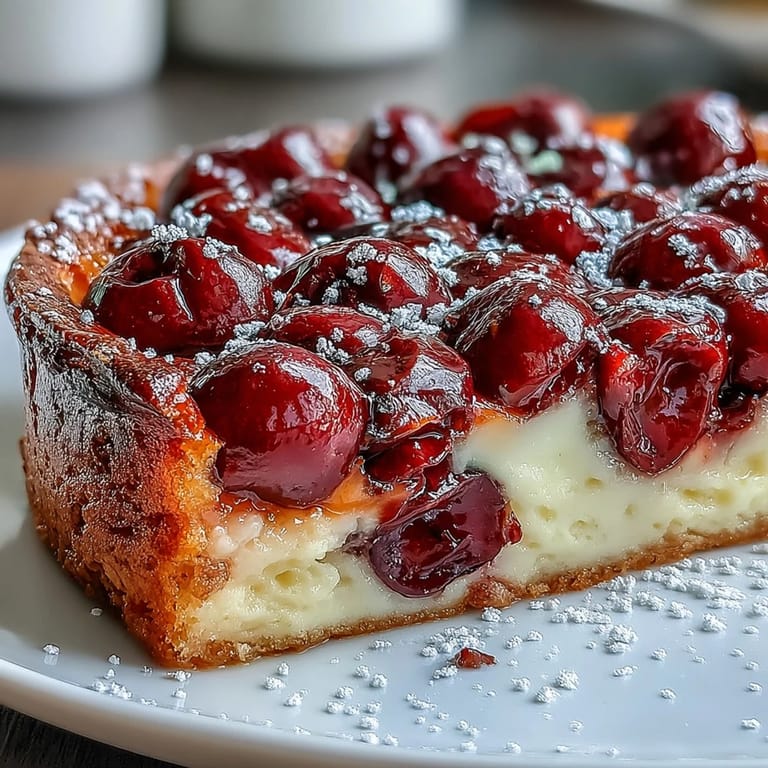
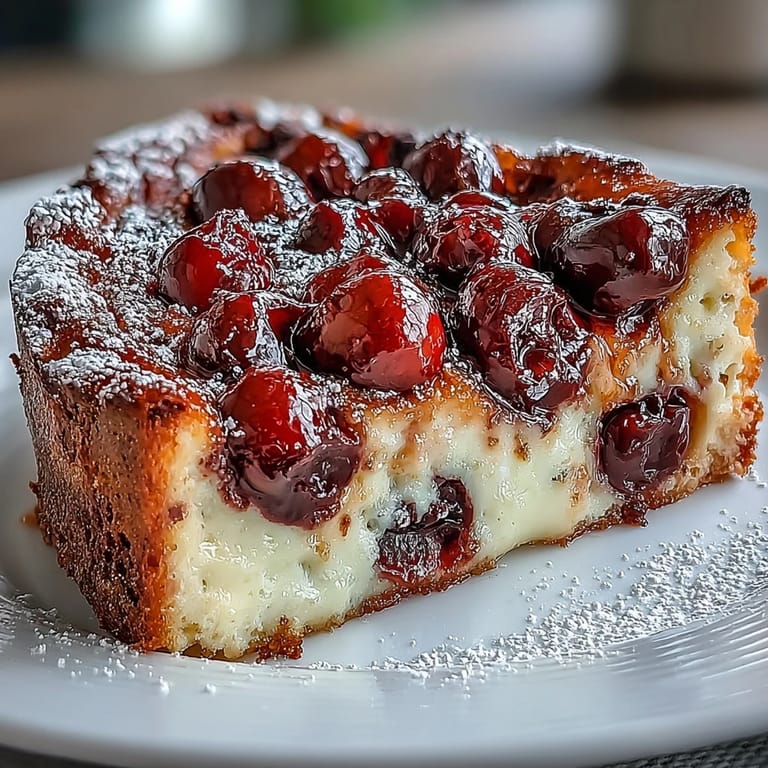
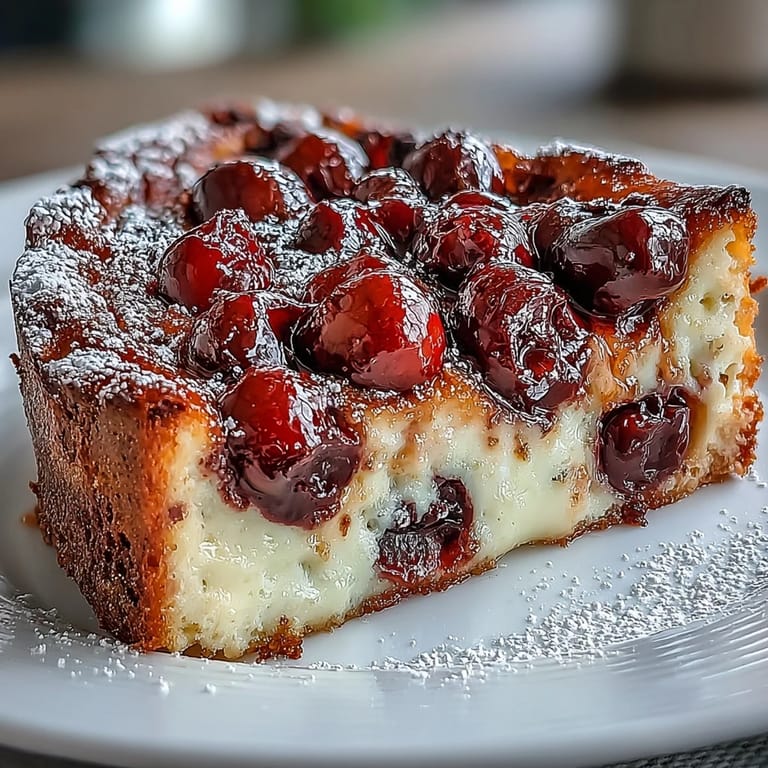
 The first time cherries tumbled into my kitchen, it was late June and the air hummed with a heady scent of stone fruit. I wasn’t expecting to fall for this classic French clafoutis, but curiosity about those glossy ruby orbs led me down a summery, vanilla-scented rabbit hole. There’s something quietly magical about the way cherries, vanilla, and eggs transform into a rustic, custardy dessert that’s as unfussy as it is elegant. The pitter-patter of rain outside and the gentle bubble of the batter in the oven became my favorite summer soundtrack. For a few fleeting weeks each year, this is my go-to treat when cherries beg to be the star.
The very first time I made clafoutis for friends, everyone gathered round to sneak tastes while it cooled—someone even asked if a scoop from the edge would really spoil it (it did, but nobody minded). There was laughter about the cherry juice stains on fingertips and compliments about the intoxicating aroma swirling through the flat. That night I realized: sometimes the simplest desserts demand to be shared right from the pan, with clinking forks and powdered sugar dust everywhere. Since then, clafoutis has become my easy answer to last-minute guests or a lazy Sunday craving. Every summer, I keep an eye out for those golden afternoons when cherries all but beg for a little ceremony.
Ingredients
- Fresh sweet cherries: The juicier and more in-season, the better—pitting isn’t glamorous, but it’s worth every sticky finger.
- Large eggs: Room temperature eggs give the custard its signature creaminess; crack one at a time to avoid any accidental shell mishaps.
- Granulated sugar: Just enough to sweeten, not overpower; measuring carefully prevents the custard from being too sweet.
- Vanilla bean: Splitting the bean and scraping the seeds perfumes the whole clafoutis—don’t skip the generous swirl of those tiny specks.
- All-purpose flour: Sifting it ensures a silky, lump-free batter every time.
- Salt: A pinch enhances every other flavor, even in dessert—don’t leave it out.
- Whole milk: Makes the custard light yet substantial; I’ve tried lower fat, but the texture isn’t quite the same.
- Heavy cream: Adds richness; measure right for a just-set, melting finish.
- Unsalted butter: Melted and cooled, it brings a gentle golden color and depth.
- Butter (for greasing): Brushing the pan means nothing sticks, and you get softly caramelized edges.
- Powdered sugar: The final snowfall that makes every slice feel like a celebration.
Tired of Takeout? 🥡
Get 10 meals you can make faster than delivery arrives. Seriously.
One email. No spam. Unsubscribe anytime.
Instructions
- Prep your pan and oven:
- Preheat the oven to 180°C (350°F) and slather your baking dish with a generous layer of butter so nothing sticks.
- Arrange the cherries:
- Scatter the pitted cherries in a loose, even layer across the bottom; don’t worry if a few overlap.
- Whisk custard base:
- Beat the eggs and sugar together with real vigor until the mixture turns pale and thickens just a touch—this step always feels like the promise of cake.
- Add the vanilla and dry ingredients:
- Scrape in the vanilla seeds, then whisk in the flour and salt gently until you’ve got a smooth, lump-free batter.
- Finish with dairy:
- Streaming in the milk, cream, and melted butter, keep whisking until you have a glossy, pourable mixture—it should feel almost like pancake batter.
- Assemble and bake:
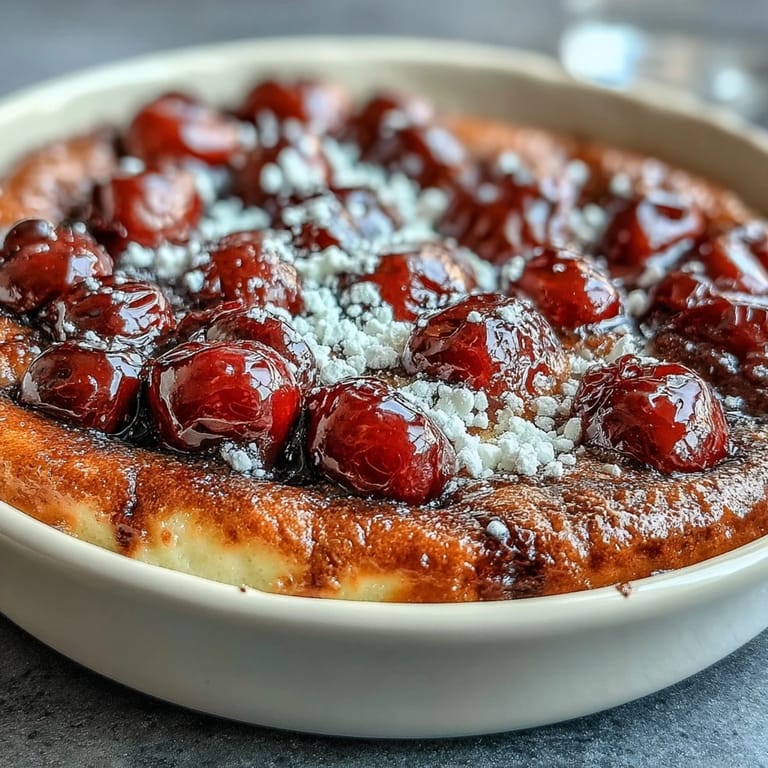
- Pour batter slowly over the cherries, watching them bob and float, then slide the dish into the oven for about 35–40 minutes, until puffed and golden with a gentle jiggle in the center.
- Let it cool, then finish:
- Allow the clafoutis to rest for 15 minutes, then shower with powdered sugar right before serving to catch the last bit of warmth.
- Serve and savor:
- Enjoy slices while just warm, or at room temperature, with a little espresso or a glass of dessert wine if you’re feeling fancy.
 Pin It
  Pin It
 There was one summer evening when the clafoutis went straight from oven to the patio table; the sun dipped low, and everyone ate with plates balanced on their knees. It was less about fancy forks and more about laughing as powdered sugar floated onto the grass, making the evening feel a touch mischievous and altogether perfect. That’s when I realized this dessert isn’t fussy, despite its French roots—it’s meant for relaxed company and good times. Some dishes really do turn a gathering into a memory without any effort at all. And every crumb always disappears faster than I expect.
Why This Dessert Rises Above the Rest
One day, I made this clafoutis with plums when cherries were out of season, and was caught off guard by just how flexible and forgiving the recipe turned out. Using ripe, slightly tart fruit can transform the whole experience, and it’s the kind of dessert that always feels like more than the sum of its humble parts. If the baking dish is a bit too full or the cherries aren’t perfectly even—no one notices after that first sweet bite. Chafing at tradition sometimes leads to tastier outcomes. Picking stone fruit by scent is my best secret for nailing this dessert even blindfolded.
How to Serve and Store
Letting the clafoutis cool until it’s barely warm makes for neater slices and a custard that stays creamy but set. I’ve learned that leftover clafoutis is wonderful for breakfast, especially with a spoonful of Greek yogurt or just on its own at the kitchen counter. If you do have leftovers, store them covered in the fridge and don’t worry if a little condensation forms on top—it’s all part of the comfort. Reheating is as simple as a short spell in a low oven. And honestly, I’ve never seen a batch last longer than the next day.
Making It Your Own (and Having Fun)
Clafoutis is the kind of recipe that invites playful tweaks—sometimes I add a splash of almond extract, or swap the cherries for nectarines when they’re at their peak. Inviting friends to pit cherries with me, armed with aprons and tall drinks, always kicks off the evening with a burst of laughter. Don’t stress if your custard has bubbles on top—they settle as the clafoutis cools, and a little imperfection gives it charm.
- Toss in a small handful of sliced almonds for crunch if you like.
- If you want deeper flavor, roast the cherries for ten minutes before adding.
- Always let someone steal the first warm piece—it’s a kitchen rule worth keeping.
 Pin It
  Pin It
 Whether you sneak yourself an extra corner slice late at night or dish up for friends on a sunlit afternoon, this cherry clafoutis is all effortless pleasure. May a dusting of sugar and splash of vanilla make any ordinary day feel a little extraordinary.
Recipe FAQs
- → Should cherries be pitted before baking?
Pitting speeds eating and is preferred for safety, but leaving pits intact gives a slightly almond-like note. Choose pitted for convenience and uniform texture.
- → How do I know when the custard is set?
The clafoutis is ready when it is puffed, the edges are lightly golden and the center is just set with a slight wobble. It will firm as it cools.
- → Can I swap cherries for other fruits?
Yes. Apricots, plums or halved peaches work well; choose ripe but slightly firm fruit to avoid excess juices that can loosen the custard.
- → Any tips for a smooth batter?
Whisk eggs and sugar until pale, add vanilla seeds, then incorporate flour before gradually adding milk and cream to prevent lumps. Strain if needed for extra silkiness.
- → How should leftovers be stored?
Cover and refrigerate up to 2–3 days. Rewarm gently in a low oven or enjoy chilled; dust with powdered sugar just before serving.
- → Can I make a gluten-free version?
Substitute the all-purpose flour with a 1:1 gluten-free blend and monitor the bake; texture may be slightly different but the custard should set similarly.