 Pin It
 My grandmother would start her lutefisk preparations in early November, and the whole house seemed to know it before she even pulled the dried cod from the pantry. There was something ritualistic about it—the way she'd fill that enormous ceramic bowl with cold water and announce, "Now we wait." I didn't understand it as a kid, watching her change the water every single day like clockwork, but somewhere between day three and day five of that patient soaking, I realized this wasn't just cooking. This was tradition made tangible, a dish that required genuine surrender to time.
The first time I made this for someone who'd never had lutefisk before, I watched their face go from polite curiosity to actual joy with that first forkful. They'd braced themselves for something strange and fishy, but instead found something almost buttery, almost sweet in its simplicity. That's when I stopped apologizing for the dish and started defending it.
Ingredients
- Dried cod (lutefisk): This is your foundation, and a kilogram feeds four people generously once it rehydrates. Buy it from a Nordic market if possible—quality matters here, and you want fish that's been properly dried and prepared.
- Cold water: This is your patience in liquid form; changing it daily prevents the soaking from going wrong and keeps the fish fresh-tasting through the transformation.
- Coarse salt: A tablespoon seems small, but it seasons the fish from within after soaking and brings out subtle flavors you didn't know were there.
- Unsalted butter: Two tablespoons might sound restrained, but the sauce doesn't need to be heavy—it's meant to complement, not dominate.
- All-purpose flour: The thickening agent that turns milk into something silky; have gluten-free flour nearby if you're cooking for someone who needs it, and the swap works beautifully.
- Whole milk: Room temperature or slightly warm makes the whisking easier and keeps lumps from forming if you're adding it gradually and keeping your heat moderate.
- Dijon mustard: Sharp and refined; this is where the sauce gets its backbone and a hint of sophistication.
- Whole-grain mustard: Brings texture and a gentler mustard flavor that plays nicely with the milder Dijon.
- Sugar: Just a teaspoon, but it softens the mustard's edge and balances everything into something cohesive.
- Boiled potatoes: Four small ones, creamy and warm, the perfect partner to soak up sauce.
- Crispbread or flatbread: Scandinavian crispbread is traditional, but flatbread works if that's what you have; it catches the sauce and feels right alongside this dish.
Tired of Takeout? 🥡
Get 10 meals you can make faster than delivery arrives. Seriously.
One email. No spam. Unsubscribe anytime.
Instructions
- Rinse and Start the Long Soak:
- Run cold water over your dried cod until the dust clears and it feels less foreign in your hands. Place it in a large container—ceramic or glass is best, something that feels intentional—and cover completely with cold water. Mark your calendar or your phone: you're changing this water every single day for five to six days, and each change is part of the magic.
- Daily Water Changes:
- This is where many people get impatient, but don't skip it. Fresh water keeps the fish from developing any off flavors and gradually brings it back to life. By day five, you'll notice the fish has plumped slightly and the water stays clearer longer between changes.
- Salt and Rest:
- The Final Preparation:
- Drain the soaked fish completely and sprinkle it with coarse salt, letting it sit for exactly thirty minutes. This seasons it from the inside out. Rinse the salt away gently, pat the fish dry with paper towels, and preheat your oven to 200°C (390°F).
- Gentle Baking:
- Arrange your fish pieces in a baking dish, cover tightly with foil, and slide it into the oven. Twenty-five to thirty minutes later, when you lift that foil, the fish should be opaque and willing to flake apart with the gentlest fork pressure—this is the texture you're after, tender and delicate.
- Building the Mustard Sauce:
- Melt butter over medium heat until it's foaming but not browning. Whisk in your flour and cook it for one minute, stirring constantly—you want a smooth paste with no lumps, what cooks call a roux. Gradually add the milk in small amounts, whisking between each addition to keep everything smooth and cooperative.
- The Simmer and Seasoning:
- Let the sauce bubble gently for three to four minutes, just long enough to thicken slightly and lose any raw flour taste. Stir in both mustards and the sugar, then taste and adjust salt and white pepper until it tastes like something you'd want to spoon over beautiful fish. Keep it warm but not hot.
- The Assembly:
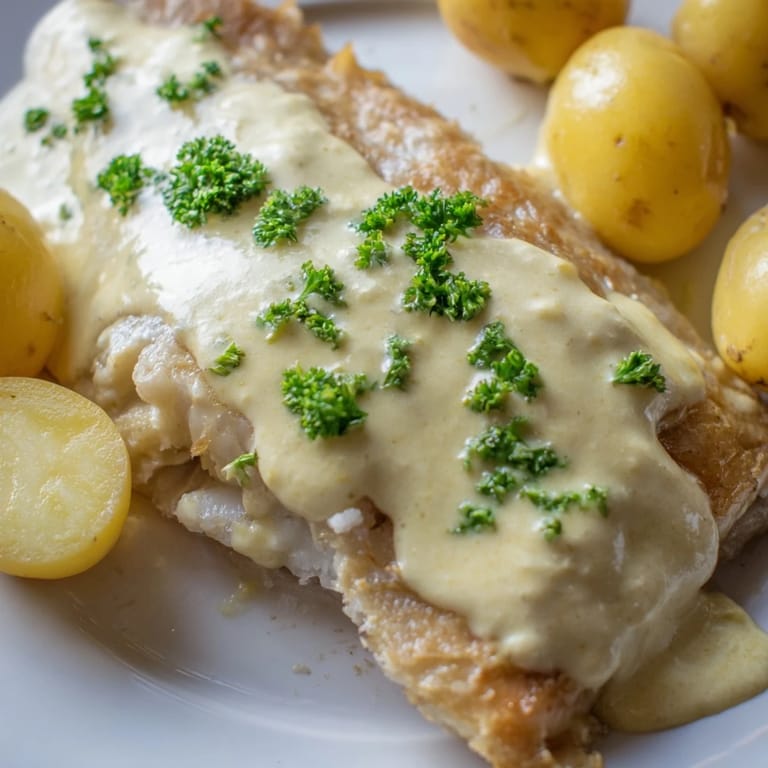
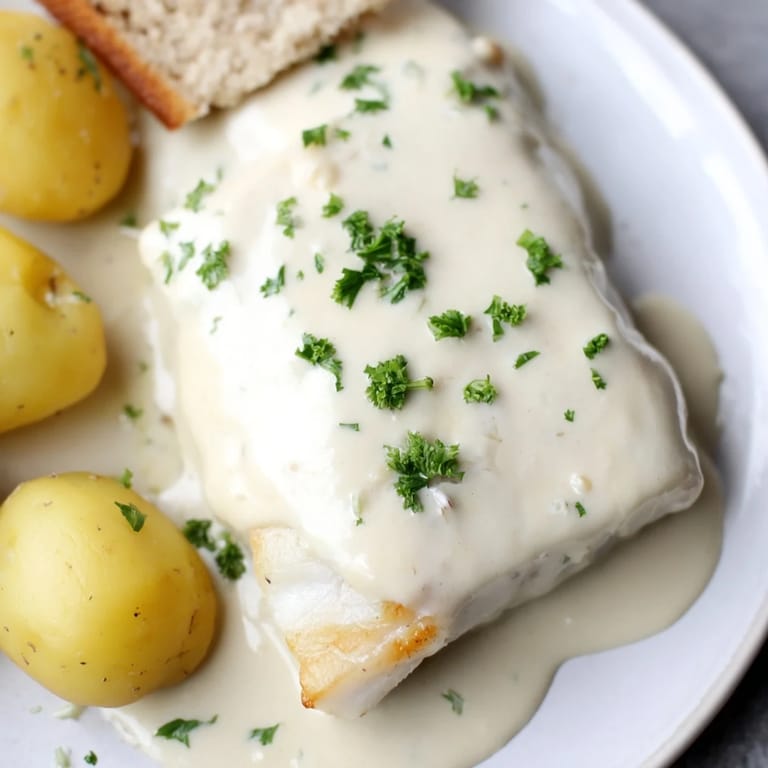
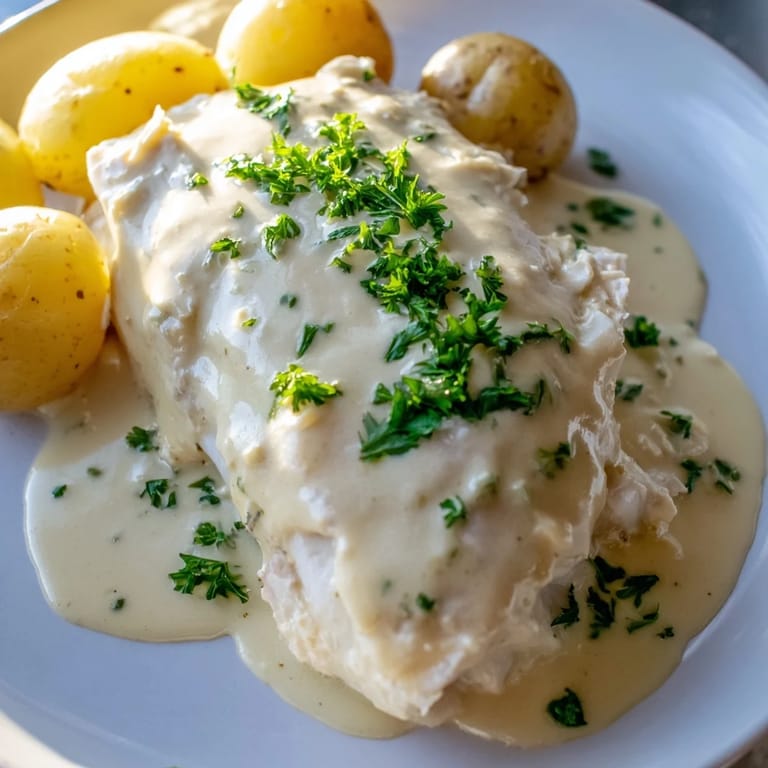
- Plate your hot lutefisk alongside those boiled potatoes and your chosen bread. Spoon the mustard sauce generously over the fish, letting it pool slightly on the plate. Finish with parsley if it speaks to you, and serve immediately while everything's still warm.
 Pin It
 What struck me most about this dish was realizing that lutefisk isn't a test of your palate or your courage—it's a vote of confidence in the ingredients and the process. Once you make it and taste how the long soaking mellows the fish into something almost sweet, the whole story of Scandinavian food starts making sense.
The Art of Patience in the Soak
The five or six days of soaking isn't something to rush through or worry about forgetting. Set phone reminders if you need to, make it part of your evening routine. The fish is essentially rehydrating and alkaline-treating itself back to life, and this process is non-negotiable if you want results that taste right. I learned this the hard way when a friend tried to speed it up to four days and ended up with fish that was still too firm and tasted slightly off.
Why This Sauce Works
A cream sauce might seem fancy, but it's actually the perfect vehicle for mustard when you're serving something as delicate as lutefisk. The butter grounds it, the milk carries it gently, and the mustard gives it a whisper of personality that keeps people interested. I've made this sauce hundreds of times now, and it's almost impossible to mess up if you remember two things: whisk constantly when adding milk, and taste as you season so you don't overpower the fish.
Serving and Traditions
In Norway, you'll see lutefisk served about a dozen different ways depending on the household and the season. Some people add bacon, some add peas, some are minimalists who want nothing but butter and bread. What matters is that you serve it hot and with confidence, because this dish deserves respect and attention.
- Pair it with something cold and clean to drink—aquavit is traditional, but a crisp lager or even a pale ale works beautifully.
- The boiled potatoes aren't just sides; they're sponges for the sauce and they ground the meal in comfort.
- Don't skip the bread; it's how you finish every last bit of sauce on your plate and feel like you've done right by the meal.
 Pin It
 This is food that rewards patience and attention, and the payoff is a meal that tastes like somewhere else, like tradition, like someone loved you enough to do it right. That's worth the six-day wait.
Recipe FAQs
- → How long should lutefisk soak before cooking?
Lutefisk requires 5–6 days of soaking in cold water, with daily water changes to fully rehydrate and remove excess lye.
- → What is the best method to bake lutefisk?
After soaking and rinsing, place lutefisk in a baking dish, cover with foil, and bake at 200°C (390°F) for 25–30 minutes until flakes easily.
- → How is the mustard sauce prepared?
The sauce starts with a butter and flour roux, gradually whisked with milk, then flavored with Dijon and whole-grain mustards, sugar, salt, and white pepper.
- → What traditional sides complement lutefisk?
Boiled potatoes and crispbread or flatbread are classic accompaniments, often garnished with fresh parsley for added freshness.
- → Can this dish accommodate gluten-free diets?
Yes, substituting all-purpose flour with a gluten-free alternative in the mustard sauce keeps the dish gluten-free.
- → Are there any common allergens in this dish?
Yes, it contains fish, milk, and mustard, which are common allergens, so ingredient labels should be checked carefully.