 Pin It
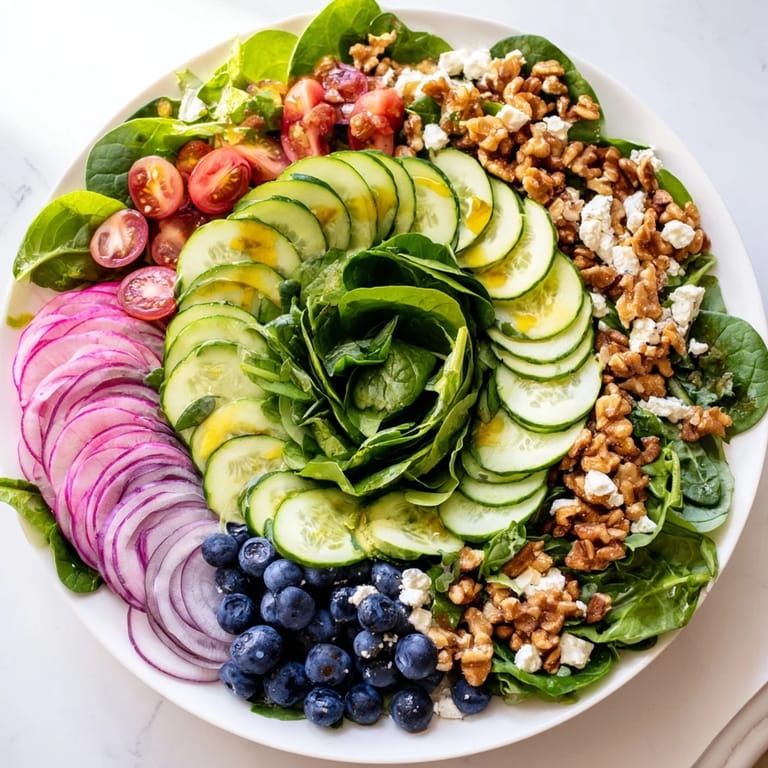
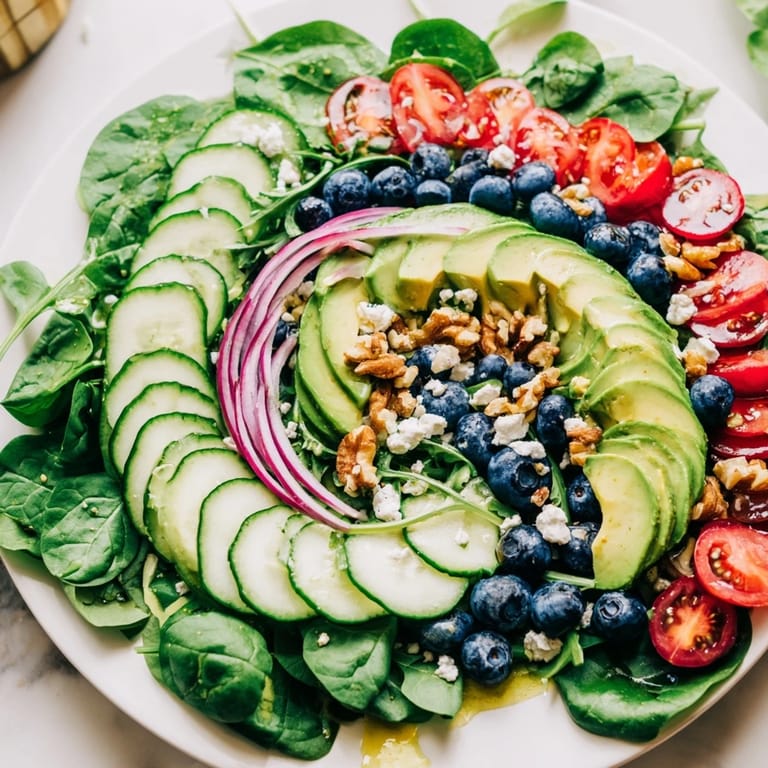
 I stumbled onto this salad by accident while reorganizing my kitchen and noticing how my cutting board scraps arranged themselves naturally in spiraling patterns. There's something magnetic about the Fibonacci sequence that pulled me toward creating something edible with it. The first time I actually plated it, I realized I wasn't just making lunch—I was playing with geometry, color theory, and flavor all at once. What started as a quiet afternoon experiment turned into the kind of dish that makes people pause before eating, just to admire it.
My friend Clara came over on a rainy Sunday, and I was determined not to order pizza again. When she saw the spiral arrangement, she actually gasped—then immediately asked if she could take a photo before we touched it. We sat there talking for so long that the feta got softer and the olive oil soaked into the spinach, and somehow that imperfect version tasted even better than the pristine one. That's when I knew this wasn't just a pretty plate; it was a dish that held up under real-world eating.
Ingredients
- Baby spinach leaves: The tender base that starts your spiral—buy them pre-washed if you're short on time, and honestly, nobody will know the difference.
- Arugula: Peppery enough to make people sit up and notice, but mild enough not to bully the other flavors.
- Cherry tomatoes, halved: The natural jewels of the platter; halving them lets the dressing pool in the centers.
- Cucumber, thinly sliced: Cooling and crisp, it anchors the middle section of your spiral.
- Radishes, thinly sliced: The thin 1/5 cup is key—these are peppery shards meant to punctuate, not dominate.
- Red onion, finely sliced: A whisper of sharpness; use the thinnest blade you have so they soften quickly with the dressing.
- Avocado, sliced: Nestle these in gaps rather than spreading them across the whole spiral, so they stay creamy and don't bruise.
- Blueberries: They add unexpected sweetness and those little pops of color that make the eye travel around the plate.
- Toasted walnuts, chopped: Toast them yourself if you can; store-bought toasted ones sometimes taste stale, and fresh toasted changes everything.
- Crumbled feta cheese: The salty final note that ties the whole thing together.
- Extra-virgin olive oil: Don't cheap out here—you're drizzling, not cooking, so the quality matters immediately.
- Lemon juice: Bright and sharp; squeeze it fresh rather than using bottled.
- Honey: Just enough to round out the acidity without making it sweet.
- Dijon mustard: The emulsifier that keeps your dressing from separating.
Tired of Takeout? 🥡
Get 10 meals you can make faster than delivery arrives. Seriously.
One email. No spam. Unsubscribe anytime.
Instructions
- Set your stage:
- Get your large round platter ready—this is your canvas, and the flat surface matters more than you'd think. Have all your ingredients prepped and arranged nearby so you're not fumbling with a knife while your spinach wilts.
- Build the first arc:
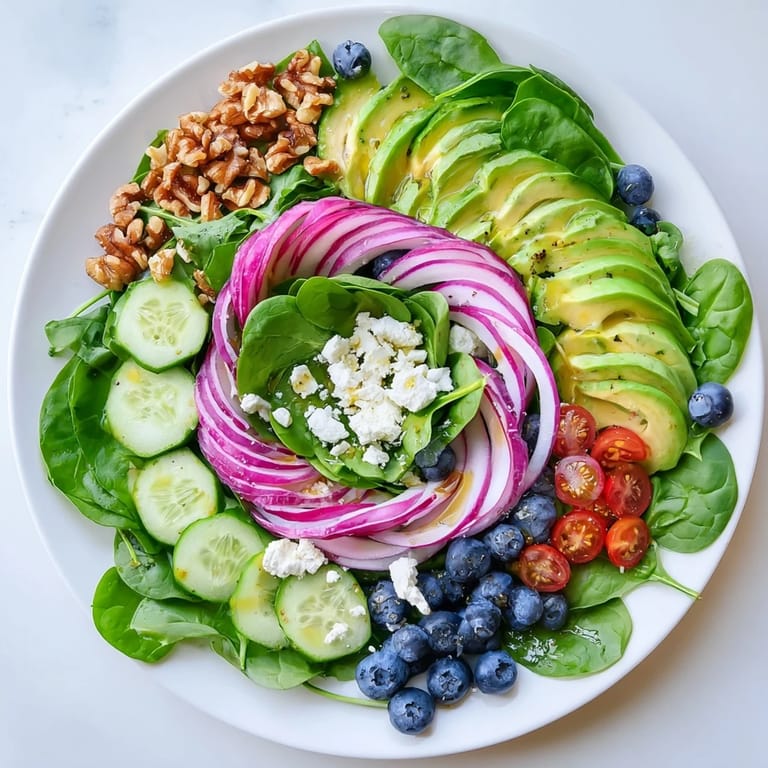
- Arrange baby spinach leaves in a crescent shape at the center, letting them overlap like roof shingles. You're not trying for perfection here; let them fall naturally, overlapping and creating little shadows.
- Expand the spiral:
- Fan your arugula outward, each leaf slightly overlapping the spinach, each layer a bit wider than the last. Feel the rhythm of it—spiral thinking comes naturally once you start.
- Layer by layer:
- Add cherry tomatoes, then cucumber, then radishes in expanding arcs, always remembering that each section grows from the last. This is where the Fibonacci magic happens—you're not measuring, just sensing the proportions.
- The accent ring:
- Thin-slice your red onion and lay it as a delicate border near the outer edge. It frames everything and adds that sharp bite that wakes up your palate.
- Nestle the soft elements:
- Slip avocado slices into pockets where they fit, spacing blueberries around them for visual rhythm. These are the surprise elements; they should feel placed, not scattered.
- Finish with crunch:
- Sprinkle toasted walnuts and crumbled feta across the entire spiral, letting some settle into the greens and some rest on top. The feta doesn't need to follow the pattern—it can be more generous.
- Make your dressing:
- In a small bowl, whisk together olive oil, lemon juice, honey, and Dijon mustard until it emulsifies slightly and turns creamy. Taste it and adjust salt and pepper until it makes you smile.
- The final moment:
- Drizzle the dressing evenly just before serving, watching how it catches the greens and brings everything into focus. Serve immediately so the presentation stays bold and the leaves stay crisp.
 Pin It
 There was a moment when my teenage nephew saw this salad and asked if it was art we were supposed to hang on the wall or food we were supposed to eat. We ate it, obviously, but that question stays with me—this is the kind of dish that does both things at once.
Why This Pattern Works
The Fibonacci spiral isn't just mathematically beautiful; it's also functionally smart for eating. When you arrange ingredients in expanding sections, you naturally get a bit of everything in every bite without having to mix too much. Your fork lands on spinach, catches an arugula leaf, picks up a tomato and some cucumber—it's layered eating that feels intentional. The smaller inner sections are delicate, and as you move outward, you hit bolder flavors and crunchier textures, so the salad actually guides your palate through a progression. It's a recipe that respects the natural way we taste things.
Customizing Without Breaking the Spiral
This salad is forgiving in ways most recipes aren't. If you don't have walnuts, use sunflower seeds or pine nuts—anything with a little crunch and toastiness will fit the pattern. Goat cheese crumbles work just as well as feta and taste slightly creamier against the peppery greens. You can add grilled chicken or chickpeas to the outer rings if you need more protein, treating them like another ingredient to arrange rather than scatter. The dressing is also flexible; swap the Dijon for whole grain mustard, or add a touch of garlic. The spiral itself is the real hero here—everything else is just variations on a theme.
Timing and Presentation Secrets
Twenty minutes from cutting board to platter sounds fast, but there's a rhythm to it that matters. The actual chopping and slicing takes about fifteen minutes, leaving five minutes to arrange. Don't rush the arrangement; that's where the magic happens. Some people like to make this at lunch time when natural light hits the platter just right, because the shadows between the leaves actually deepen the visual effect. Others swear by the backlit evening presentation, where you can see the translucence of the greens.
- If you're making this for company, prep all ingredients an hour ahead and refrigerate them—cold greens stay crisper longer once they hit the platter.
- A sharp knife makes thin slicing easier and faster, so your cucumbers and radishes don't bruise before they even reach the plate.
- Serve this salad on a white or neutral platter so the colors pop; dark plates swallow the visual impact you've worked to create.
 Pin It
 This salad reminds me that sometimes the most satisfying meals are the ones that feed your eyes as much as your stomach. It's the kind of dish that makes people linger longer over lunch than they planned to.
Recipe FAQs
- → How do you arrange the ingredients for the salad?
Arrange ingredients in expanding arcs following the golden spiral, starting with spinach and layering arugula, tomatoes, cucumber, radishes, red onion, then topping with avocado, blueberries, walnuts, and feta.
- → What kind of dressing complements this salad?
A light dressing made from extra-virgin olive oil, lemon juice, honey, Dijon mustard, salt, and pepper enhances the freshness without overpowering the ingredients.
- → Can I add protein to this salad?
Yes, adding grilled chicken or chickpeas provides extra protein and complements the existing flavors well.
- → Is this salad suitable for gluten-free diets?
Absolutely, the ingredients used are naturally gluten-free, making it safe for gluten-sensitive individuals.
- → What are good alternatives for feta cheese?
Goat cheese can be used as a creamy substitute to maintain the tangy and rich flavor profile.