 Pin It
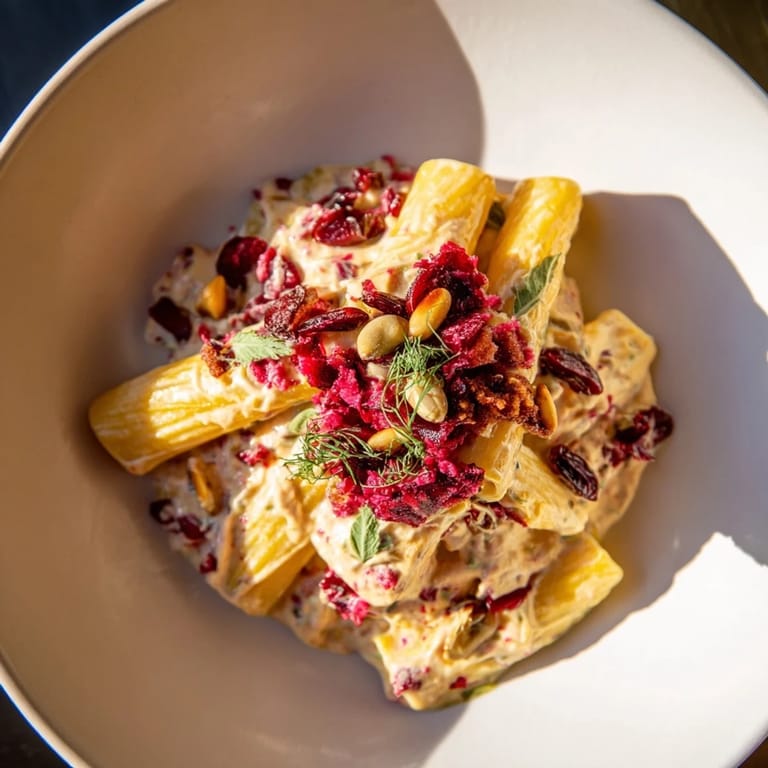
 I stumbled on this combination by accident one autumn when I had leftover grapes and an open container of ricotta in the fridge. The thought of roasting fruit for a savory dish felt odd at first, but the smell that filled the kitchen changed everything. Those grapes turned glossy and jammy, their sweetness deepening in the oven. Tossed with creamy ricotta and bright lemon, the pasta became something I never expected—elegant, surprising, and deeply comforting all at once.
The first time I served this to friends, there was a pause before anyone spoke. One of them finally said it tasted like something from a hidden trattoria in Tuscany. I laughed because I had been nervous about the grape idea, wondering if it would seem strange. But watching everyone go back for seconds, I realized that the best recipes often come from trusting your instincts and trying something a little unconventional.
Ingredients
- Dried short pasta: Choose shapes with ridges or curves like penne or fusilli—they catch the creamy ricotta and hold onto those sweet roasted grape pieces beautifully.
- Seedless red or black grapes: Roasting concentrates their natural sugars and brings out a jammy, almost balsamic sweetness that makes this dish unforgettable.
- Fresh ricotta cheese: Use the best quality you can find—it should be creamy and slightly sweet, not grainy or watery.
- Lemon zest and juice: This brightens the richness of the ricotta and cuts through the sweetness of the grapes with a clean, citrusy edge.
- Fresh basil and parsley: Torn at the last minute, these herbs add color and a fresh, aromatic finish that ties everything together.
- Extra-virgin olive oil: A fruity, peppery oil drizzled at the end makes the whole dish feel luxurious.
- Toasted pine nuts: Optional, but their buttery crunch adds texture and a subtle nuttiness that complements the creamy sauce.
Tired of Takeout? 🥡
Get 10 meals you can make faster than delivery arrives. Seriously.
One email. No spam. Unsubscribe anytime.
Instructions
- Roast the grapes:
- Preheat your oven to 220°C (425°F) and spread the grapes on a parchment-lined tray. Drizzle with olive oil, sprinkle with salt and pepper, then roast for 20 to 25 minutes until they blister and turn glossy, shaking the tray halfway through so they caramelize evenly.
- Cook the pasta:
- Boil a big pot of salted water and cook your pasta until al dente, following the package timing. Before draining, scoop out half a cup of the starchy pasta water—it will help the sauce cling beautifully.
- Make the ricotta mixture:
- In a bowl, stir together the ricotta, lemon zest, lemon juice, chopped basil, parsley, and a pinch of salt until smooth and creamy. Taste it—it should be bright and lightly seasoned.
- Combine pasta and ricotta:
- Toss the drained pasta back into the pot with the ricotta mixture, adding splashes of reserved pasta water until you get a silky, coating sauce. The starch in the water makes everything come together.
- Fold in the grapes:
- Gently stir in the roasted grapes along with any juices from the tray—those caramelized bits are pure flavor. Drizzle with extra-virgin olive oil and toss lightly to coat.
- Serve:
- Divide the pasta among plates and top with toasted pine nuts, a grind of black pepper, fresh basil leaves, and Parmesan if you like. Serve immediately while everything is warm and fragrant.
 Pin It
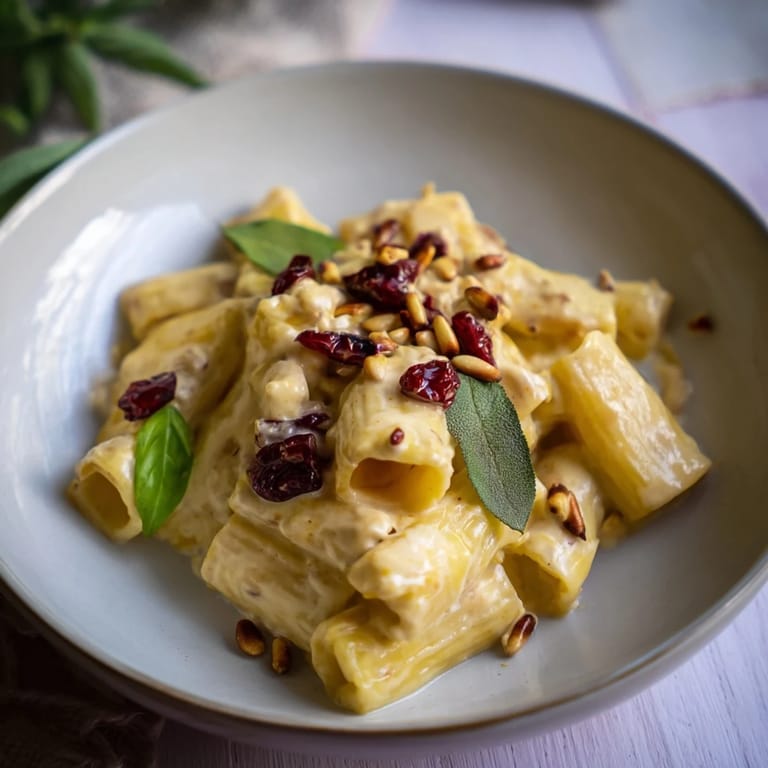
 I remember making this on a rainy Sunday and eating it slowly at the kitchen table with a glass of cold white wine. The sweetness of the grapes, the creaminess of the ricotta, and the hint of lemon felt like a quiet celebration. It was not a special occasion, but it felt like one—and that is when I knew this recipe was a keeper.
Choosing Your Grapes
Red or black grapes work best here because they hold their shape and develop a richer, deeper sweetness when roasted. Green grapes can be too tart and tend to break down more quickly in the oven. Look for firm, plump grapes without wrinkles—they should feel heavy for their size and smell faintly sweet at the stem end.
Making It Your Own
If you want a tangier kick, swap the ricotta for fresh goat cheese—it will give the dish a sharper, more pronounced flavor. You can also use whole-wheat pasta for a nuttier taste or gluten-free pasta if needed. For a nut-free version, just skip the pine nuts and add a handful of toasted breadcrumbs for crunch instead.
Storing and Reheating
This pasta is best enjoyed fresh, but leftovers can be stored in an airtight container in the fridge for up to two days. When reheating, add a splash of water or olive oil to loosen the sauce and warm it gently over low heat. The grapes may soften a bit more, but the flavor will still be there.
- If making ahead, roast the grapes and prepare the ricotta mixture separately, then toss everything together just before serving.
- Reheat gently on the stovetop rather than the microwave to keep the texture creamy.
- Garnish with fresh herbs and a drizzle of olive oil after reheating to brighten it up.
 Pin It
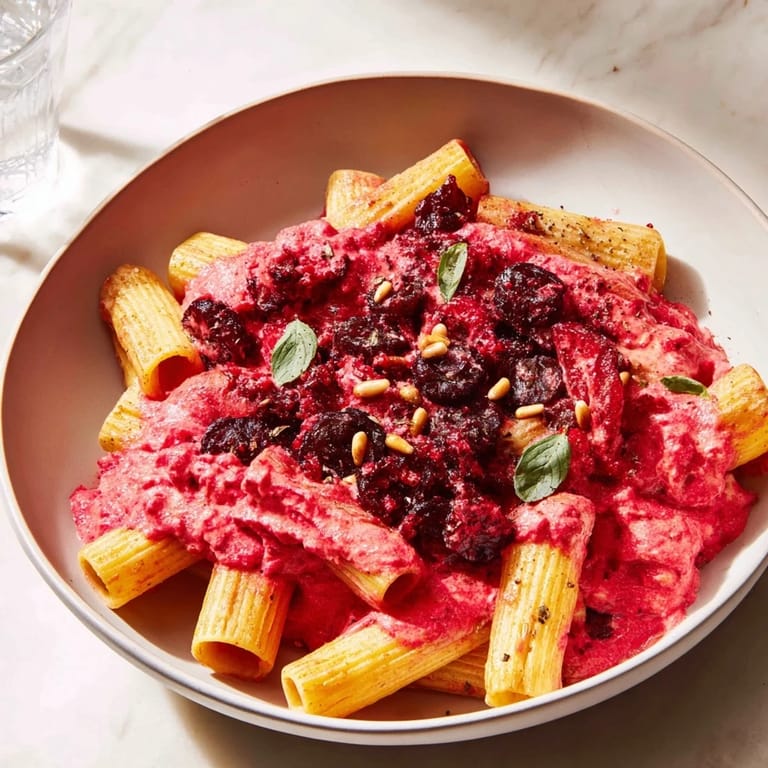
 This dish taught me that sometimes the best flavors come from unexpected places, like roasting fruit you would normally eat raw. I hope it surprises you the same way it surprised me.
Recipe FAQs
- → What type of grapes work best for roasting?
Seedless red or black grapes are ideal as they caramelize nicely without excess moisture, enhancing their natural sweetness.
- → Can I substitute ricotta with another cheese?
Yes, goat cheese can be used for a tangier, creamier texture that complements the roasted grapes well.
- → How do I ensure the pasta sauce is creamy without added cream?
Mix reserved pasta water carefully into the ricotta and herb mixture to create a smooth, silky sauce that clings to the pasta.
- → Are pine nuts necessary in this dish?
Pine nuts add a toasty crunch, but they can be omitted for nut-free preferences without sacrificing flavor.
- → What herbs enhance the flavors best in this dish?
Fresh basil and parsley bring bright, aromatic notes that balance the sweetness of roasted grapes and richness of ricotta.
- → Can this dish be made gluten-free?
Absolutely, using gluten-free pasta allows you to enjoy the flavors while accommodating dietary needs.