 Pin It
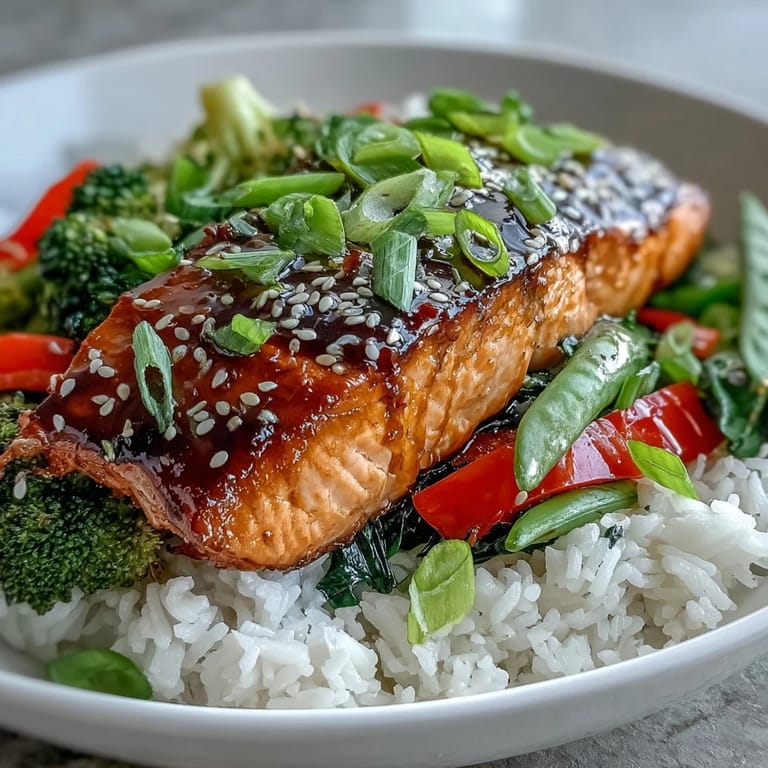
 The smell of soy and ginger bubbling on the stove always takes me straight back to Tuesday nights when I needed dinner fast but still craved something that felt special. I started making this teriyaki salmon bowl during a stretch when I was tired of the same rotation, and it surprised me how quickly it became the meal I actually looked forward to. The glaze caramelizes just enough to make the salmon taste restaurant-quality, and the colors in the bowl make it feel like I put in way more effort than I did. It's one of those recipes that looks impressive but never stresses me out. I've made it for friends, for myself after long days, and it always delivers.
I remember the first time I made this for a small dinner, plating each bowl carefully and watching my friends pause before digging in. One of them said it tasted better than the place we used to order from, and I pretended to be humble but was secretly thrilled. That night I realized this dish had become my go-to for impressing without intimidating myself in the kitchen. It's the kind of recipe that makes you look like you know what you're doing, even if you're winging half of it. Now it's my answer whenever someone asks what I'm good at making.
Ingredients
- Salmon fillets: I prefer skin-on because it crisps up beautifully, but skinless works just as well if you're not a fan—just make sure they're about the same size so they cook evenly.
- Soy sauce: The salty base of the teriyaki glaze; I've learned that low-sodium soy sauce gives you more control over the saltiness without losing depth.
- Mirin: This sweet rice wine adds a gentle sweetness and gloss that sugar alone can't replicate, and it's worth keeping a bottle in your pantry.
- Brown sugar: Balances the salty soy with a caramel-like sweetness that deepens as the sauce simmers.
- Rice vinegar: A touch of acidity brightens the whole glaze and keeps it from feeling too heavy.
- Sesame oil: Just a bit adds a nutty, toasted flavor that makes the sauce feel more complex.
- Garlic and ginger: Freshly minced and grated, these bring warmth and a little bite that wakes up the glaze.
- Cornstarch slurry: This is what thickens the sauce into that glossy, clingy coating—don't skip it or the sauce stays thin.
- Bell pepper, carrot, broccoli, sugar snap peas: A mix of colors and textures that stay crisp with a quick stir-fry; feel free to swap in whatever looks good at the market.
- Vegetable oil: For stir-frying; something neutral with a high smoke point works best.
- Jasmine or sushi rice: Fluffy and slightly sticky, it's the perfect base to soak up the extra teriyaki sauce.
- Sesame seeds and spring onions: Optional but highly recommended—they add a final layer of flavor and make the bowls look polished.
Tired of Takeout? 🥡
Get 10 meals you can make faster than delivery arrives. Seriously.
One email. No spam. Unsubscribe anytime.
Instructions
- Cook the rice:
- Rinse the rice under cold water until it runs clear, then combine it with water in a saucepan and bring to a boil. Reduce the heat to low, cover, and let it simmer for 15 minutes, then remove from heat and let it sit covered for another 5 minutes to steam through.
- Make the teriyaki sauce:
- In a small saucepan, combine soy sauce, mirin, brown sugar, rice vinegar, sesame oil, minced garlic, and grated ginger, then bring to a simmer over medium heat, stirring until the sugar dissolves. Stir in the cornstarch slurry and cook for 1 to 2 minutes until the sauce thickens and turns glossy, then set it aside.
- Sear the salmon:
- Season the salmon fillets with salt and pepper, then heat a splash of oil in a large nonstick skillet over medium-high heat and sear the fillets skin-side down for 3 to 4 minutes until crispy. Flip and cook for another 2 to 3 minutes until just cooked through, then brush generously with teriyaki sauce and cook for 1 more minute before removing from heat.
- Stir-fry the vegetables:
- Heat vegetable oil in a wok or large skillet over high heat, then toss in the bell pepper, carrot, broccoli, and sugar snap peas and stir-fry for 3 to 4 minutes until tender but still crisp. Keep everything moving so it cooks evenly and stays vibrant.
- Assemble the bowls:
- Divide the cooked rice between bowls, then top with the stir-fried vegetables and a piece of teriyaki-glazed salmon. Drizzle extra sauce over the top and garnish with sesame seeds and sliced spring onions if you like.
 Pin It
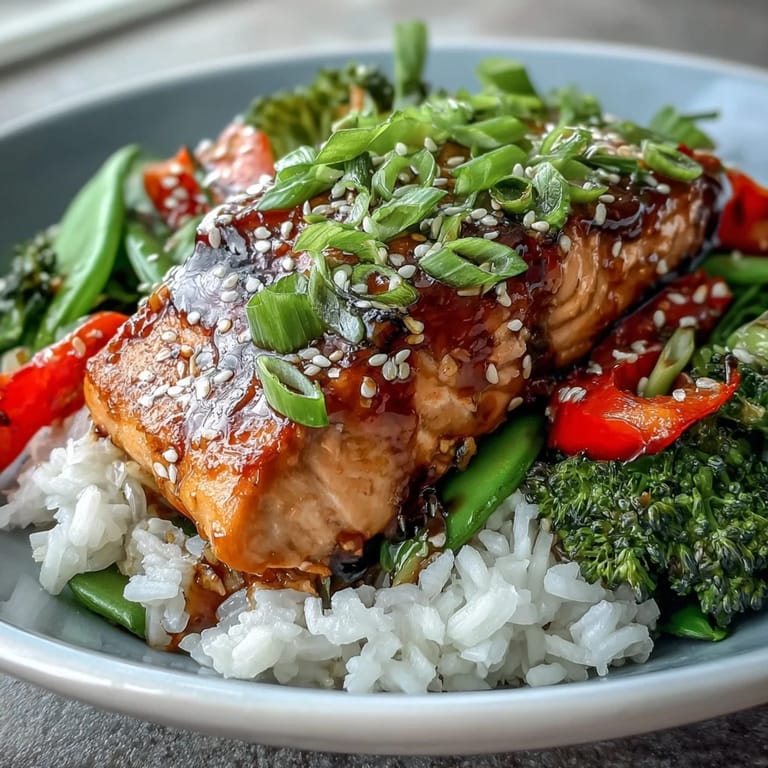
 One evening, I plated this bowl for myself after a particularly draining day, and the first bite—sweet, savory, and a little tangy—made me realize how much a good meal can reset your mood. I sat at the counter, just me and my bowl, and it felt like a small act of kindness I'd given myself. Since then, this dish has been more than dinner; it's become a reminder that taking care of yourself can be as simple as cooking something you love. It's comfort and celebration all at once, no occasion required.
Choosing Your Salmon
I've tried this recipe with both wild-caught and farmed salmon, and while wild has a deeper flavor, farmed works beautifully too and is often more affordable. Look for fillets that are evenly thick so they cook at the same rate, and don't worry too much about skin-on versus skinless—it's really about your preference. If you do go skin-on, make sure to pat the skin dry before searing so it crisps up nicely instead of steaming. Fresh is ideal, but good-quality frozen salmon, thawed gently in the fridge, has never let me down. The key is not to overthink it—just pick what looks good and feels right for your budget.
Perfecting the Glaze
The first time I made teriyaki sauce from scratch, I was surprised by how fast it comes together and how much better it tastes than bottled versions. The trick is to simmer it just long enough for the sugar to dissolve and the flavors to meld, then add the cornstarch slurry to thicken it into that glossy coating. I've learned that if the sauce gets too thick, a splash of water or extra mirin loosens it right up. Taste as you go—if it's too salty, add a pinch more sugar; if it's too sweet, a dash of soy or vinegar brings it back into balance. Once you get the hang of it, you'll never want to go back to store-bought.
Serving and Storing
This dish is best enjoyed fresh, with the salmon still warm and the vegetables crisp, but leftovers can be stored in an airtight container in the fridge for up to two days. I usually keep the components separate—rice in one container, salmon and vegetables in another—so they don't get soggy. Reheat the salmon gently in a skillet or microwave, and give the vegetables a quick toss in a hot pan to bring back some of their texture. If you're meal-prepping, cook the rice and vegetables ahead, then sear the salmon fresh when you're ready to eat for the best results.
- Garnish just before serving so the sesame seeds stay crunchy and the spring onions stay bright.
- Drizzle extra teriyaki sauce over the top right at the end for a glossy finish and extra flavor.
- Serve with a side of pickled ginger or a simple cucumber salad to add a refreshing contrast.
 Pin It
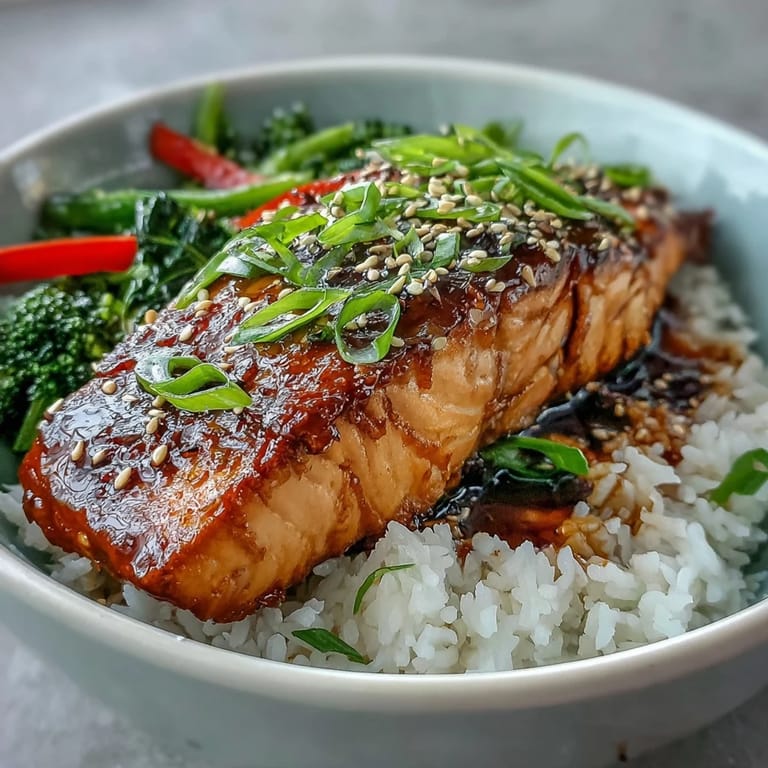
 This teriyaki salmon bowl has earned its place in my regular rotation, and I hope it finds a spot in yours too. It's proof that a great meal doesn't have to be complicated—just thoughtful, flavorful, and made with a little care.
Recipe FAQs
- → Can I use frozen salmon fillets?
Yes, frozen salmon works well. Thaw completely in the refrigerator overnight before cooking. Pat dry thoroughly with paper towels to ensure proper searing and glaze adherence.
- → What vegetables can I substitute?
Feel free to use whatever vegetables you have on hand. Zucchini, mushrooms, baby corn, snow peas, bok choy, or asparagus all work beautifully in the stir-fry mixture.
- → How do I store leftovers?
Store components separately in airtight containers in the refrigerator for up to 3 days. Reheat rice and salmon gently in the microwave, and briefly stir-fry the vegetables to restore their crisp texture.
- → Can I make the teriyaki sauce ahead?
Absolutely. Prepare the sauce up to 1 week in advance and store it in the refrigerator. Reheat gently before using, adding a splash of water if it has thickened too much.
- → Is this dish gluten-free?
The traditional recipe uses soy sauce which contains wheat. To make it gluten-free, substitute tamari or coconut aminos for the soy sauce. All other ingredients are naturally gluten-free.
- → Can I grill the salmon instead?
Grilling works excellently. Cook salmon over medium-high heat for 4-5 minutes per side, brushing with teriyaki sauce during the last minute of cooking. The smoky char complements the sweet glaze beautifully.