 Pin It
 I stumbled onto rupjmaize during a long winter in Riga, handed a warm slice by a market vendor who insisted I try it with cold butter. The bread was dark, dense, almost black, and smelled like something between earth and spice. I took one bite and understood why Latvians guard their grandmother's recipes so closely. That evening, I bought a loaf to take home, and by morning it was gone.
The first time I baked this, I left the dough to rise overnight and woke up to find it had nearly doubled, pressing against the plastic wrap like it was trying to escape. My apartment smelled like a bakery in the Baltics. I shaped it nervously, unsure if I'd done it right, but the moment it came out of the oven and I tapped the bottom to hear that hollow thunk, I knew I'd gotten it.
Ingredients
- Dark rye flour: This is the soul of the loaf. Don't swap it for light rye or you'll lose the deep, earthy flavor that makes rupjmaize unmistakable.
- Bread flour: A small amount gives the dough just enough structure to hold together, since rye doesn't develop gluten the way wheat does.
- Active dry yeast: Let it bloom in warm water with the molasses until it froths. If nothing happens after ten minutes, your yeast is dead and you need to start over.
- Molasses or dark honey: This adds a subtle sweetness and helps the crust caramelize into that signature dark shell.
- Caraway seeds: These little seeds carry the whole aromatic profile. Toast them lightly in a dry pan if you want to deepen their nuttiness.
- Vegetable oil: Just enough to keep the dough from sticking to your hands and the bowl.
Tired of Takeout? 🥡
Get 10 meals you can make faster than delivery arrives. Seriously.
One email. No spam. Unsubscribe anytime.
Instructions
- Wake the yeast:
- Stir warm water, molasses, and yeast together in a large bowl, then wait until the surface bubbles and smells faintly sweet. If it doesn't foam, the water was too hot or the yeast was too old.
- Mix the dough:
- Add both flours, salt, and caraway seeds, then stir with a wooden spoon until everything clumps together into a sticky, shaggy mass. Drizzle in the oil and start kneading.
- Knead until smooth:
- Work the dough for five to seven minutes until it feels elastic, even though it will stay tacky. Rye dough never gets as smooth as white bread dough, so don't panic.
- Let it rise overnight:
- Shape it into a ball, tuck it into an oiled bowl, cover tightly, and leave it somewhere cool for twelve to sixteen hours. The slow rise is what builds the flavor.
- Shape the loaf:
- Punch the dough down gently, turn it onto a floured surface, and shape it into a round or oval. Place it on parchment or in a greased loaf pan.
- Second rise:
- Cover again and let it puff up for forty-five minutes to an hour. It won't double, but it should look noticeably lighter.
- Bake hot and long:
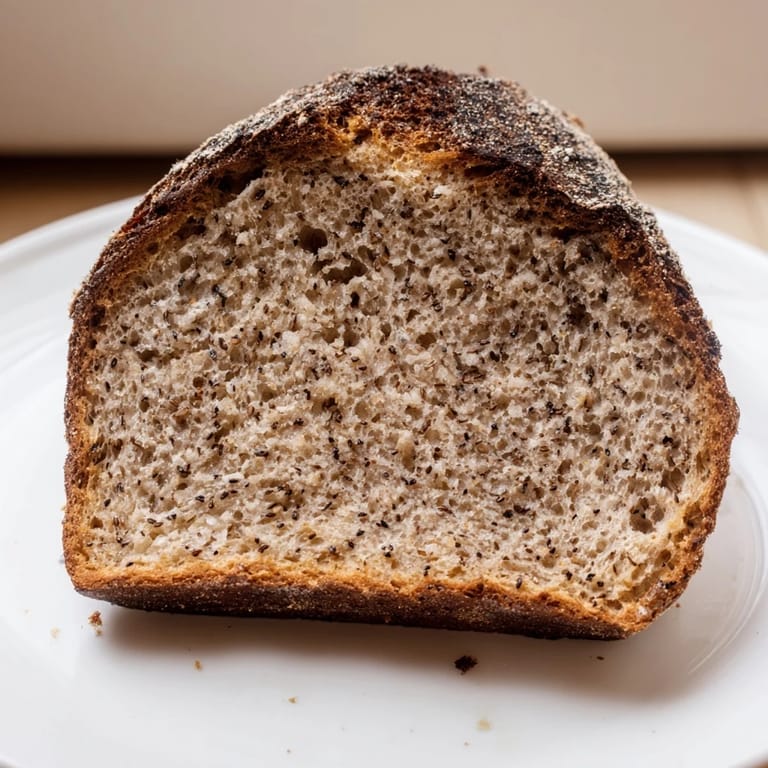
- Dust the top with rye flour, score it if you like, then bake at 220°C for forty-five to fifty minutes. The crust should be dark and the bottom should sound hollow when you tap it.
- Cool completely:
- Let it rest on a wire rack until it's fully cool. Cutting it warm will make it gummy inside, no matter how tempting it smells.
 Pin It
 I made this for a dinner party once, served it with smoked mackerel and pickles, and watched everyone go quiet as they chewed. One friend asked if I'd flown it in from Latvia. I didn't tell her it had been sitting on my counter for two days, getting better with age. That's the magic of this bread.
How to Store and Serve
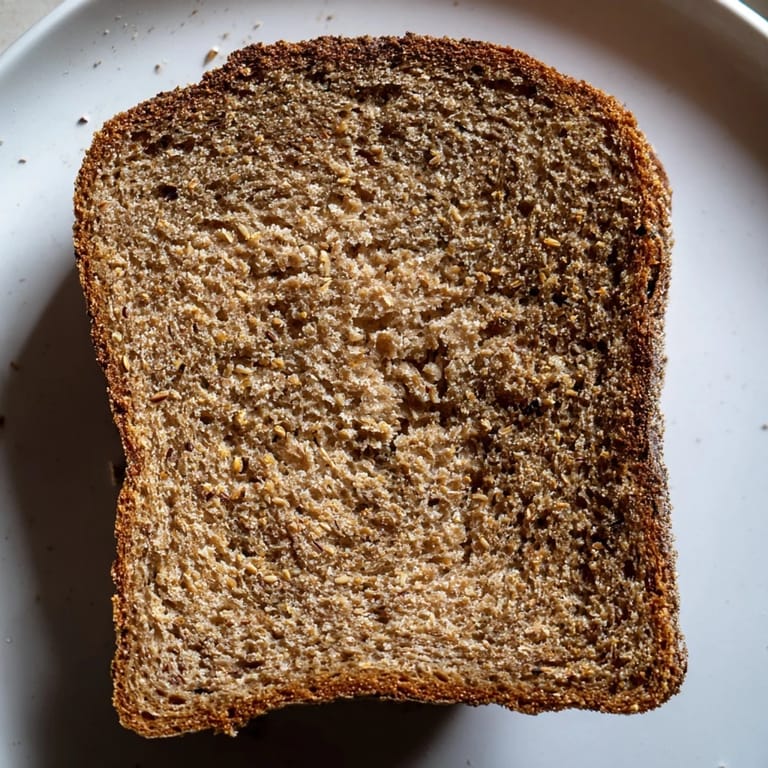
Wrap the cooled loaf tightly in a clean kitchen towel or beeswax wrap and keep it at room temperature for up to five days. It won't go stale the way white bread does. Slice it thin, toast it until the edges crisp, and spread with cold salted butter or top with smoked fish. If you want to freeze it, slice the whole loaf first so you can pull out pieces as you need them.
What to Pair It With
This bread begs for something salty or tangy. I've eaten it with herring, cream cheese and dill, or just a smear of good butter and flaky sea salt. It also holds up beautifully next to soups and stews, soaking up broth without falling apart. In Latvia, they eat it with everything from cheese to honey, and I've learned not to question that wisdom.
Troubleshooting and Variations
If your dough didn't rise much overnight, your kitchen might have been too cold. Next time, leave it in the oven with just the light on. If the crust is too hard, tent the loaf with foil halfway through baking. For a slightly sweeter loaf, add an extra tablespoon of molasses or honey.
- Toast caraway seeds in a dry skillet before adding them to intensify their flavor.
- Brush the top with water before baking for an even shinier crust.
- Add a tablespoon of cocoa powder or coffee for a deeper color and subtle bitterness.
 Pin It
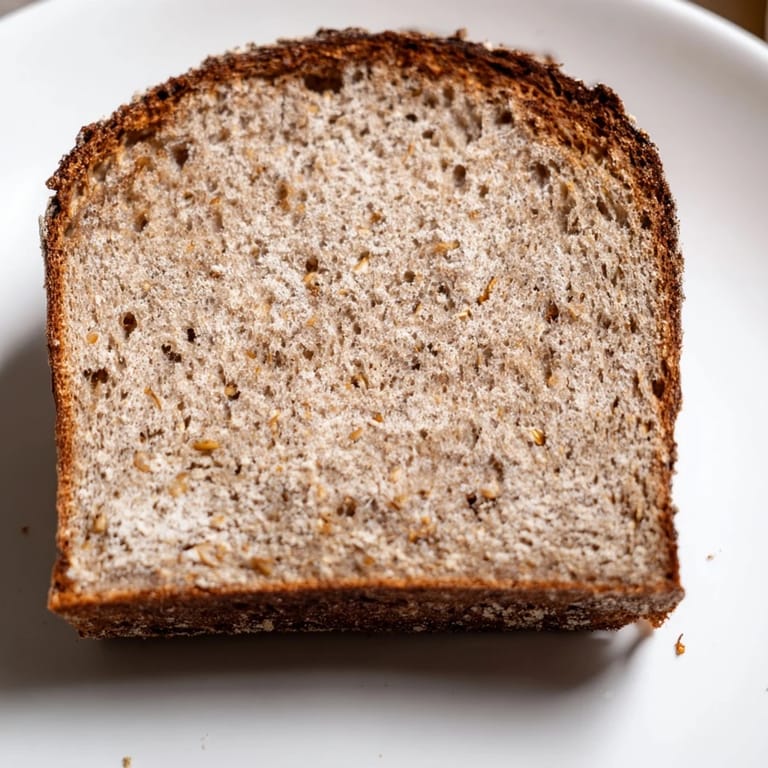
 There's something deeply satisfying about pulling a loaf like this from your own oven, knowing it tastes like the ones baked in wood-fired ovens centuries ago. Once you make it, you'll understand why it's worth the wait.
Recipe FAQs
- → What gives this bread its distinct flavor?
The use of dark rye flour combined with caraway seeds and a touch of molasses or honey imparts a rich, slightly sweet and aromatic flavor typical of traditional Latvian bread.
- → How long should the dough rise?
The dough requires a long rise of 12–16 hours at room temperature to develop the dense texture and depth of flavor characteristic of this bread.
- → Can the caraway seeds be toasted before baking?
Yes, lightly toasting the caraway seeds before adding them to the dough enhances their nuttiness and aromatic qualities.
- → What is the ideal baking temperature and time?
The loaf bakes best at 220°C (425°F) for 45–50 minutes until deeply browned and hollow sounding when tapped on the bottom.
- → How should the bread be stored and served?
Once cooled, slice and store in a sealed container or freeze for longer keeping. Toasting brings out its flavor best before serving.
- → Is this bread suitable for vegetarians?
Yes, it contains no animal products aside from yeast and is classified as vegetarian-friendly.