 Pin It
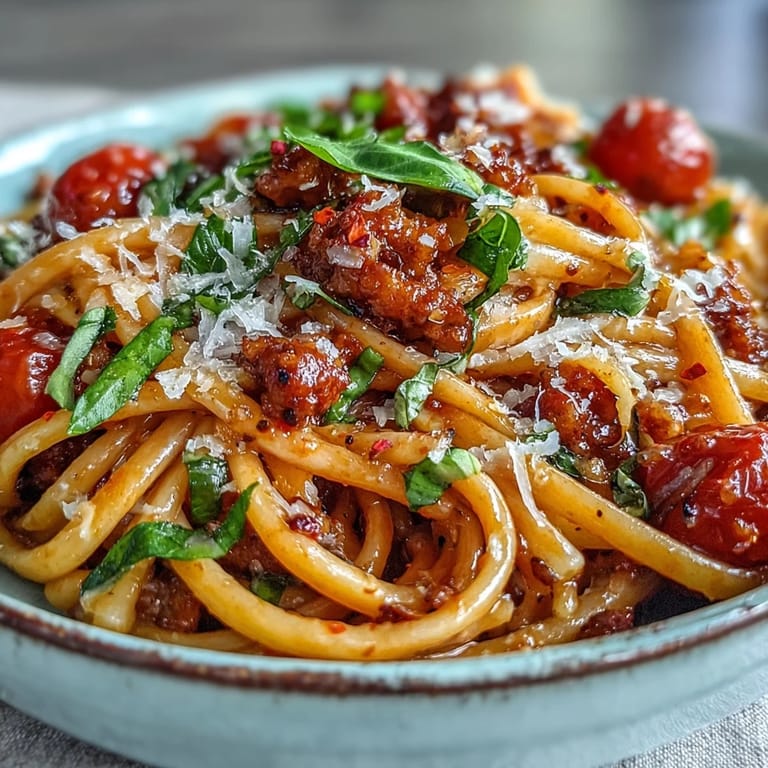
 The kitchen smelled like my nonna house mixed with my favorite takeout place the first time I made this. I was supposed to be making traditional pasta for dinner, but a bottle of Chianti on the counter and a craving for something bold led to this beautiful collision. The wine hits the hot pan and suddenly Italian Sunday dinner meets Friday night takeout in the best way possible.
My roommate walked in mid-simmer and asked what smelled so incredible. She stood watching me toss the pasta, stealing a bite right from the pan and immediately demanding this become a regular rotation. Now it is the dinner we make when we need something that feels fancy but does not require four hours of babysitting a pot.
Ingredients
- 12 ounces spaghetti or linguine: Choose regular whole wheat or gluten-free depending on your preference and what sits well with everyone
- 2 tablespoons extra-virgin olive oil: The foundation that carries all those bold flavors
- 1 small yellow onion thinly sliced: Sweet onions work beautifully here
- 4 garlic cloves minced: Do not be shy with the garlic
- 1 teaspoon red pepper flakes: Adjust this based on your heat tolerance
- 8 ounces Italian sausage or shrimp: Sausage adds richness while shrimp keeps it lighter
- 1 pint cherry tomatoes halved: They burst and create little pockets of sweetness
- 2 tablespoons tomato paste: Concentrated tomato flavor that deepens everything
- ½ cup dry red wine: Chianti or Sangiovese are traditional but any dry red works
- 2 tablespoons soy sauce: The umami secret that makes people ask what is different
- 1 tablespoon Worcestershire sauce: Another layer of depth
- 1 teaspoon balsamic vinegar: Brightens and balances the rich sauce
- ½ cup fresh basil leaves roughly torn: Add this at the end for maximum aroma
- 2 tablespoons chopped fresh parsley: Fresh color and a pop of herbal brightness
- ¼ cup grated Parmesan cheese plus extra for serving: The salty finish that ties everything together
Tired of Takeout? 🥡
Get 10 meals you can make faster than delivery arrives. Seriously.
One email. No spam. Unsubscribe anytime.
Instructions
- Get the pasta going:
- Bring a large pot of salted water to a boil and cook pasta until just al dente then reserve that cup of starchy cooking water before draining
- Heat your skillet:
- Warm a large skillet over medium-high heat and add the olive oil swirling to coat the bottom
- Build the base:
- Add the sliced onion and sauté for 2 to 3 minutes until it starts to soften then stir in garlic and red pepper flakes for just 30 seconds until fragrant
- Cook your protein:
- Add crumbled sausage cooking for 5 to 7 minutes until browned or shrimp for 2 to 3 minutes per side until pink and opaque
- Add tomatoes and paste:
- Stir in cherry tomatoes and tomato paste cooking for 2 minutes and gently mash some tomatoes to release their juices
- Deglaze with wine:
- Pour in the red wine and scrape up any browned bits from the bottom then let it simmer for 2 to 3 minutes until reduced by about half
- Season the sauce:
- Add soy sauce Worcestershire sauce and balsamic vinegar then taste and adjust with salt pepper or more red pepper flakes
- Combine everything:
- Add the drained pasta to the skillet tossing to coat and adding reserved pasta water a few tablespoons at a time until sauce clings to the noodles
- Finish with fresh elements:
- Remove from heat and stir in basil parsley and Parmesan until melted and evenly incorporated
- Serve it up:
- Divide among bowls and garnish with extra basil Parmesan sliced chili if desired and a lemon wedge for brightness
 Pin It
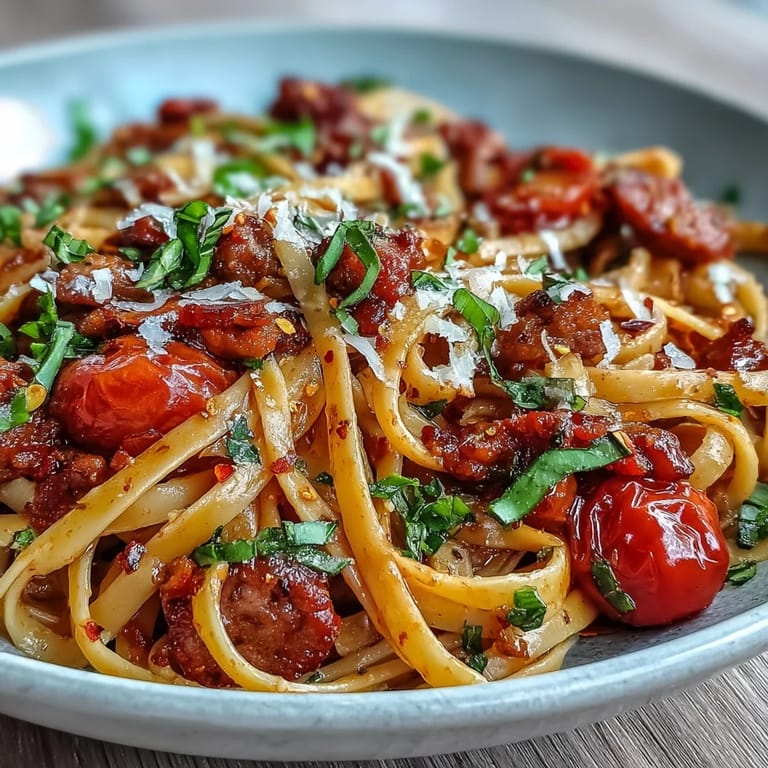
 This recipe became my go-to for unexpected dinner guests because it looks impressive but comes together so fast. Last month my sister brought her new boyfriend over and he went back for thirds which is basically a five-star review in my book.
Making It Your Own
I have played around with this base so many times and it never fails me. Swap the protein add vegetables or change the heat level to suit your mood.
Wine Pairing Wisdom
The same Chianti you cook with pairs perfectly on the table alongside dinner. Look for something medium-bodied with good acidity to cut through the rich sauce.
Perfecting The Sauce
The sauce should coat the back of a spoon and cling to the pasta beautifully. If it feels too thick add more pasta water and if too thin let it simmer a bit longer.
- Trust your nose more than the timer
- Taste as you go and adjust seasoning
- Let the pasta rest in the sauce for a minute before serving
 Pin It
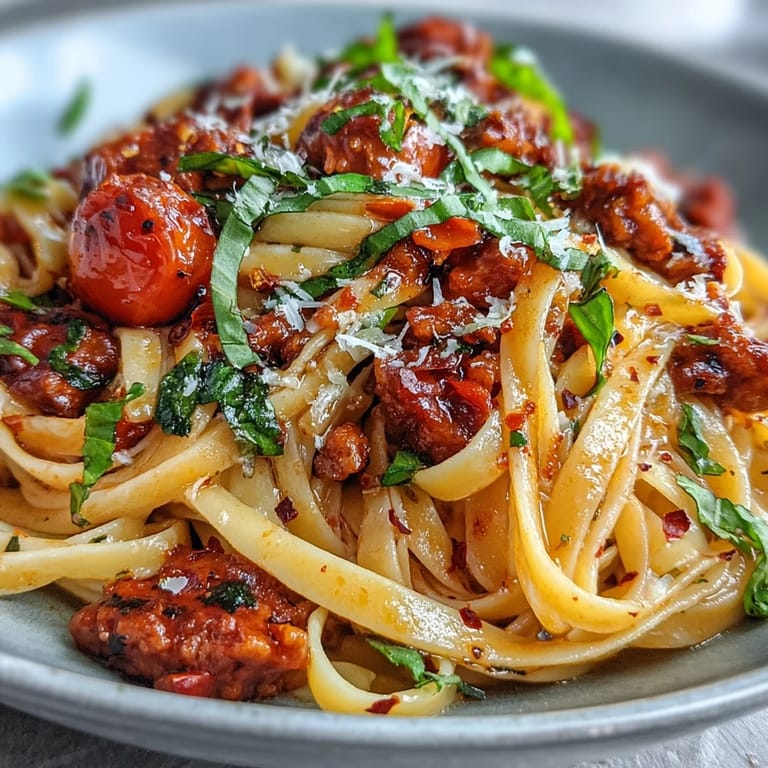
 Gather your people pour some wine and dig into something that tastes like a happy accident worth repeating.
Recipe FAQs
- → What type of pasta is best for this dish?
Spaghetti or linguine are classic choices, but you can use any long pasta you prefer, such as bucatini or fettuccine. Both regular and gluten-free options work wonderfully.
- → Can I make this vegetarian or gluten-free?
Absolutely! For a vegetarian version, simply omit the sausage or shrimp and consider using sautéed mushrooms or marinated tofu as a flavorful alternative. For a gluten-free meal, ensure you use gluten-free pasta and double-check your Worcestershire sauce label, as some brands contain gluten.
- → What if I don't have Chianti or prefer not to use alcohol?
Chianti or Sangiovese adds a bold, traditional Italian flavor. If you need a substitute, you could use another dry red wine like Merlot or Cabernet Sauvignon. For an alcohol-free option, a good quality non-alcoholic red wine substitute or even a rich vegetable broth with a splash of balsamic vinegar could work, though the flavor profile will change slightly.
- → How can I adjust the spice level?
The heat comes primarily from red pepper flakes. For a milder dish, reduce the amount or omit them entirely. If you crave more spice, you can increase the red pepper flakes or add thinly sliced fresh chilies as a garnish.
- → How long can I store leftovers and how should I reheat them?
Leftovers can be stored in an airtight container in the refrigerator for up to 3 days. When reheating, gently warm the pasta on the stovetop or in the microwave, adding a splash of water or extra wine to loosen the sauce and prevent it from drying out.
- → What's the best way to ensure the sauce coats the pasta perfectly?
The key is to add the drained pasta directly to the skillet with the sauce and toss vigorously. Gradually add the reserved pasta cooking water, a few tablespoons at a time, until the sauce emulsifies and beautifully clings to every noodle. The starch in the pasta water helps bind everything together.