 Pin It
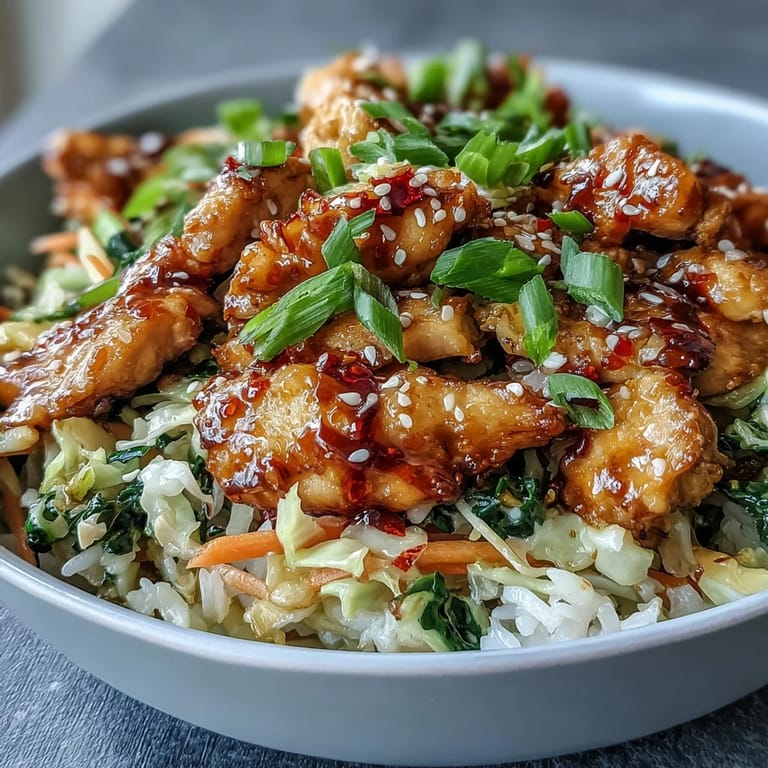
 The first time I made egg roll bowls, I was standing in my kitchen at 7pm on a Tuesday, absolutely starving but refusing to order takeout again. I had a head of cabbage staring at me from the crisper drawer and some chicken that needed using, so I started throwing things into a hot skillet with way more garlic than the recipe probably called for. Twenty minutes later, I was sitting on my couch with a steaming bowl, wondering why I'd ever bothered with actual egg roll wrappers. That crunch, that savory-sweet glaze, the way the cabbage stays just tender enough to bite through, it all hits differently when you're not wrestling with deep-fried dough.
Last winter my sister came over for what she thought was going to be a fancy dinner party, and I completely forgot to plan anything beyond appetizers. I frantically threw together these egg roll bowls with whatever was in the fridge, and she ended up asking for the recipe before she even finished her first bowl. We ate standing up in the kitchen, laughing about how the best meals always come from last-minute panic rather than careful planning.
Ingredients
- 1 pound boneless skinless chicken breasts: Thinly slice against the grain so each piece stays tender and absorbs all that sauce
- 2 tablespoons neutral oil: Vegetable or canola oil can handle the high heat you need for proper stir-frying
- 1 medium yellow onion: Thinly sliced so they sweeten as they cook instead of staying crunchy and raw
- 2 cloves garlic: Freshly minced because jarred garlic has a weird aftertaste that ruins the brightness
- 1 tablespoon grated fresh ginger: Grate it right into the pan so you dont lose any of those aromatic juices
- 4 cups shredded green cabbage: About one small head, and dont be afraid to buy the pre-shredded bag if you're short on time
- 1 cup shredded carrots: These add color and sweetness that balances the salty soy sauce
- 2 green onions: Slice them on a diagonal for that restaurant-style presentation
- 3 tablespoons low-sodium soy sauce: You can always add more salt but you cant take it back
- 1 tablespoon rice vinegar: Just enough acid to cut through the richness and wake up your palate
- 1 teaspoon toasted sesame oil: This stuff is potent so a little goes a long way toward that authentic flavor
- 1 teaspoon granulated sugar or honey: Helps caramelize the vegetables and rounds out the saltiness
- Salt and freshly ground black pepper: Season as you go, tasting at every stage
- 1 teaspoon toasted sesame seeds: Optional but they add such a nice nutty crunch on top
- Sriracha or chili crisp: For serving if you like a little heat at the end
Tired of Takeout? 🥡
Get 10 meals you can make faster than delivery arrives. Seriously.
One email. No spam. Unsubscribe anytime.
Instructions
- Get everything ready before you turn on the stove:
- Slice the chicken against the grain into thin strips, shred your vegetables, mince the garlic and grate the ginger. Once that skillet is hot, there's no time to chop.
- Heat your skillet until it's properly hot:
- Add the neutral oil and wait until it shimmers. Hot food sears, cold food steams, and you definitely want that sear.
- Start with the onions:
- Cook them for about 2 minutes until they turn translucent and start to smell sweet.
- Add the aromatics:
- Stir in the garlic and ginger and cook for just 30 seconds. You want them fragrant, not burnt, which happens faster than you think.
- Season and cook the chicken:
- Add the chicken with a light sprinkle of salt and pepper. Let it cook for 5 to 7 minutes, stirring occasionally, until it's completely cooked through.
- Make room for the vegetables:
- Push everything to one side and add the cabbage and carrots to the empty space. This technique, called push-cooking, lets each ingredient cook properly.
- Cook until just tender:
- Let the vegetables go for 3 to 4 minutes until they soften but still have some crunch. Nobody likes mushy cabbage.
- Bring it all together:
- Mix the chicken and vegetables until evenly combined, then add the soy sauce, rice vinegar, sesame oil, and sugar.
- Let the glaze work its magic:
- Toss everything together and cook for 1 to 2 minutes until the sauce coats every piece and the whole thing smells incredible.
- Taste and adjust:
- This is your last chance to fix the seasoning. Add more soy sauce, salt, or pepper if it needs it.
- Finish and serve:
- Divide into bowls and top with green onions, sesame seeds, and whatever heat you like.
 Pin It
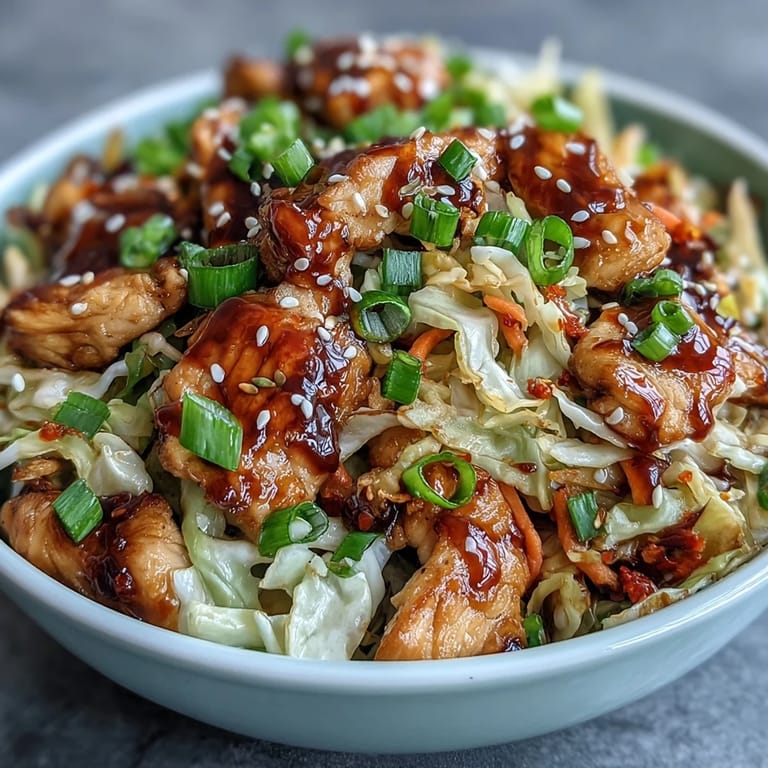
 This recipe became my go-to when I started eating healthier but still craved those takeout flavors. Now it's a regular rotation because somehow a bowl of vegetables and protein feels more satisfying when it's doused in soy-ginger glaze and eaten with chopsticks.
Making It Your Own
Ground pork is incredible here if you want something richer and more traditional. Just brown it first and spoon out some of the excess fat before adding the vegetables. Turkey works beautifully too, and firm tofu holds up surprisingly well if you press it first and cut it into substantial cubes.
Serving Suggestions
Sometimes I serve this over steamed jasmine rice when I need something more filling. Other times, especially when I'm watching carbs, cauliflower rice does the job perfectly. A simple cucumber salad dressed with rice vinegar on the side cuts through the richness nicely.
Storage and Reheating
The flavors actually improve after a night in the refrigerator, which makes this meal prep gold. Store it in an airtight container for up to three days. When reheating, a splash of water helps bring back some moisture if the cabbage has absorbed all the sauce.
- Reheat in a skillet over medium heat for the best texture
- The microwave works but the vegetables lose some of their crunch
- Never freeze this dish. The cabbage turns to mush and the sauce separates.
 Pin It
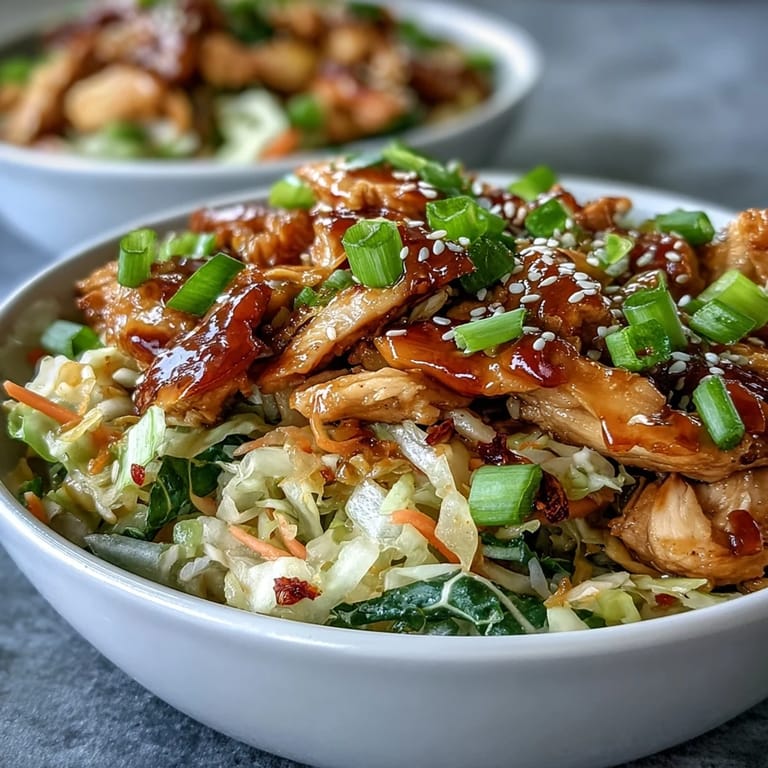
 Hope this becomes your weeknight hero like it did mine. Sometimes the simplest meals are the ones we keep coming back to.
Recipe FAQs
- → What protein substitutions can I make?
You can easily substitute the chicken with ground pork, ground turkey, or even firm tofu for a vegetarian option. Leftover rotisserie chicken also works wonderfully to make this an even quicker meal.
- → How can I make this dish low-carb?
To reduce the carbohydrate content, you can serve these delicious bowls over cauliflower rice instead of traditional steamed rice. The main ingredients themselves are already relatively low-carb.
- → Can I add more vegetables to this dish?
Absolutely! Feel free to incorporate other quick-cooking vegetables like bell peppers, snap peas, or mushrooms. Add them along with the cabbage and carrots, or slightly before, depending on their cooking time.
- → How should I store and reheat leftovers?
Store any leftover mixture in an airtight container in the refrigerator for up to 3 days. Reheat gently in a skillet over medium heat or in the microwave until warmed through. You might want to add a splash of water or soy sauce if it seems dry.
- → What if I don't have fresh ginger?
While fresh ginger provides the best flavor, you can use about 1/2 teaspoon of ground ginger powder as a substitute. Add it with the garlic and onion to ensure it toasts slightly and releases its aroma.
- → Is this dish suitable for those with allergies?
This dish is naturally dairy-free and nut-free. It does contain soy sauce, so for a gluten-free version, be sure to use tamari or a certified gluten-free soy sauce. Always check labels if you have severe sensitivities.