 Pin It
 My neighbor Maria brought over a container of homemade guava paste one afternoon, and I had no idea what to do with it until I spotted some day-old brioche in my kitchen. That's when it hit me—what if I combined it with bread pudding? The result was this luscious, unexpected dessert that somehow tastes like a memory of Caribbean vacations mixed with my grandmother's comfort food traditions. Now it's the dish I make whenever I want to impress people without spending hours in the kitchen.
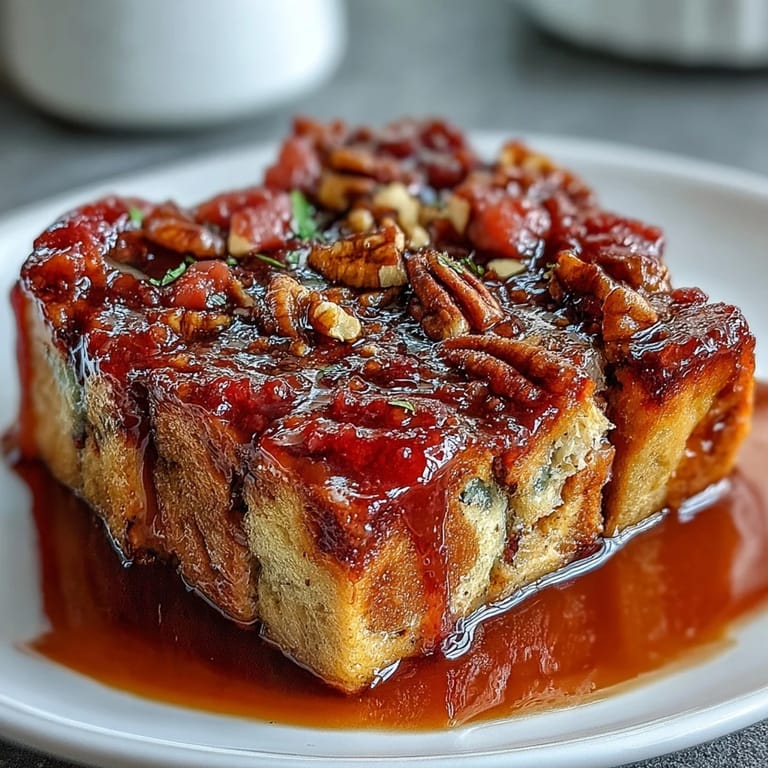
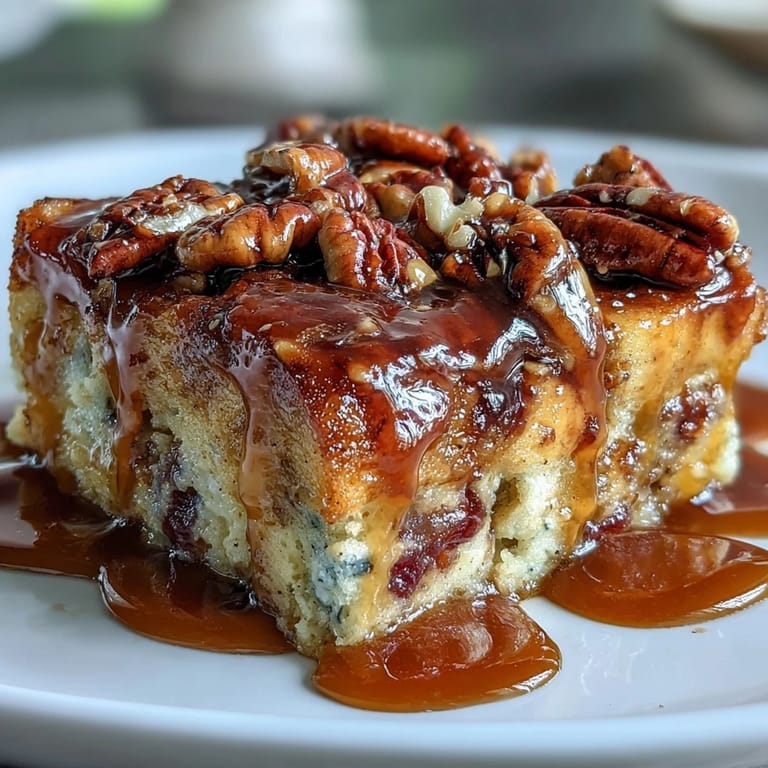
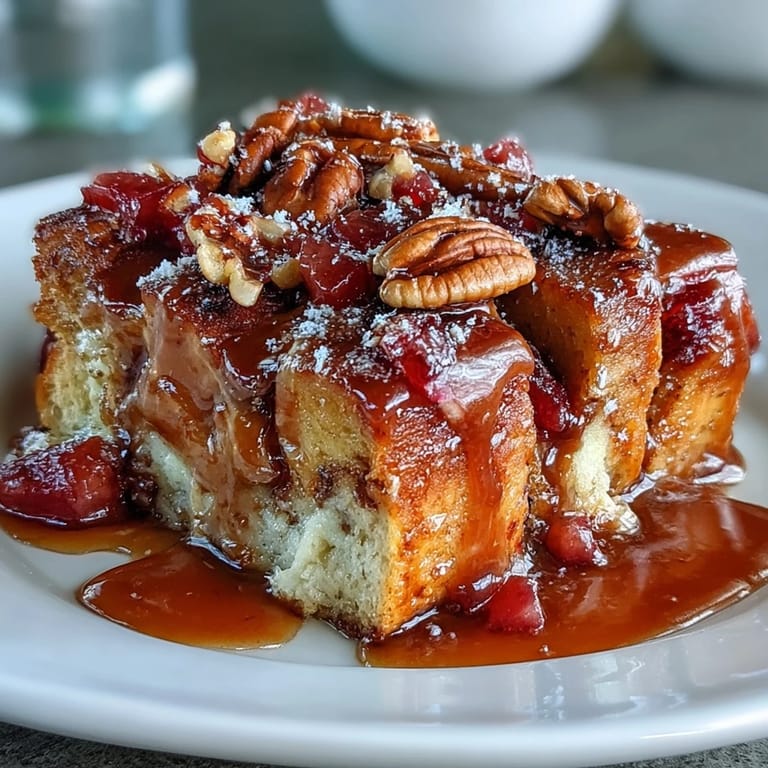
I made this for the first time when my sister visited from out of town, and watching her close her eyes after that first spoonful told me everything I needed to know. The pecans added this subtle crunch that made the whole texture sing, and the caramel drizzled on top caught the light like it was meant to be photographed. She asked me to make it again before she even left, which has never happened with any dessert I've attempted.
Ingredients
- Day-old brioche or challah, cubed (8 cups): Use bread that's been sitting out for at least a day so it absorbs the custard without turning to mush; fresh bread will get soggy instead of tender.
- Whole milk (2 cups): This is your custard base, and whole milk creates that creamy richness that makes bread pudding feel indulgent.
- Heavy cream (1 cup): Don't skip this or substitute with lighter cream, as it's what gives the pudding its luxurious texture and mouthfeel.
- Large eggs (4): These bind everything together and add structure; room temperature eggs incorporate more smoothly into the custard.
- Granulated sugar (1/2 cup): This sweetens the custard base, though the guava paste and caramel add their own sweetness too.
- Vanilla extract (2 tsp): A quiet background flavor that lets the guava and caramel shine without competing for attention.
- Salt (1/4 tsp): This tiny pinch deepens all the other flavors and keeps the dessert from tasting one-dimensional.
- Guava paste, cubed (1 cup): This tropical ingredient is the secret weapon that makes people ask what that tangy sweetness is; it adds complexity that plain bread pudding lacks.
- Caramel sauce (1/2 cup, plus extra): You can use store-bought or homemade; the richness of caramel balances the tartness of guava perfectly.
- Chopped pecans (3/4 cup): Toast them lightly before adding if you want even more nutty flavor, and they add texture contrast throughout.
- Unsalted butter, melted (2 tbsp, plus more for greasing): Butter prevents sticking and adds a subtle richness to the top layer.
Tired of Takeout? 🥡
Get 10 meals you can make faster than delivery arrives. Seriously.
One email. No spam. Unsubscribe anytime.
Instructions
- Prepare your baking dish and preheat:
- Heat your oven to 350°F while you generously butter a 9x13-inch baking dish, making sure to get into the corners. This temperature is low enough to cook the custard through gently without browning the top too quickly.
- Build your custard base:
- Whisk together the milk, cream, eggs, sugar, vanilla, and salt in a large bowl until the sugar dissolves completely and the mixture turns pale yellow. You'll notice how the egg yolks lighten as you whisk—that's your sign that everything is well incorporated.
- Soak the bread:
- Cut your day-old bread into rough cubes and add them to the custard, then gently stir to coat everything evenly and let it sit for 10 minutes. You're not trying to make it mushy; you just want the bread to absorb enough custard that it's tender when baked, not dry.
- Layer in the guava and pecans:
- Fold in the guava paste cubes and half the pecans using a gentle hand so you don't crush the bread pieces. The folding motion keeps everything light and airy rather than compacted.
- Assemble in the dish:
- Pour half the soaked bread mixture into your prepared baking dish, then drizzle with half the caramel sauce, creating pockets of sweetness throughout. Add the remaining bread mixture on top, then finish with the rest of the caramel sauce swirled across the surface.
- Top and finish:
- Sprinkle the remaining pecans over the top and drizzle melted butter across everything, which helps the pecans toast during baking. The butter also adds a subtle richness to the top layer.
- Bake until golden:
- Bake for 40 to 45 minutes, watching for a golden-brown top and a center that jiggles just slightly when you shake the dish. If the top browns too quickly, tent it loosely with foil for the remaining time.
- Cool and serve:
- Let the bread pudding rest for about 10 minutes before serving so it firms up just enough to slice cleanly. Drizzle with extra caramel sauce if you want that glossy, indulgent finish.
 Pin It
 There's something about pulling this dessert out of the oven and watching the caramel bubble slightly around the edges that makes me feel like a better cook than I probably am. My kitchen smelled like toasted pecans and tropical fruit for hours afterward, and it was the kind of aroma that makes people walk in and immediately ask what you're baking.
Why This Dessert Feels Special
Bread pudding gets a bad reputation because so many versions are dense, dry, and forgettable, but this one is different because the guava and caramel keep it interesting. The tartness of the guava paste prevents the dessert from being cloying, and the pecans add a subtle bitterness that balances the sweetness perfectly. It's the kind of dessert that tastes like you spent hours planning it when you really just threw together a few quality ingredients.
Timing and Make-Ahead Options
You can assemble this completely the night before and let it sit covered in the refrigerator, which actually helps the bread absorb more custard and deepens all the flavors. Just pull it out 30 minutes before baking so it comes closer to room temperature, and add about 5 extra minutes to the baking time. I've also frozen the unbaked pudding and baked it straight from frozen, though it takes about 15 extra minutes and the texture is slightly less creamy.
Serving and Storage Tips
This dessert is best served warm when the custard is still slightly custardy in the center and the pecans are crispy on top. Vanilla ice cream or whipped cream melts into the warm pudding and makes it even more luxurious, though it's absolutely delicious on its own. Store leftovers covered in the refrigerator for up to three days, and reheat gently in a low oven or microwave to avoid drying it out.
- A scoop of vanilla ice cream or dollop of whipped cream transforms this from dessert to an absolutely decadent experience.
- If you want to make this ahead, assemble it the night before so the bread has time to fully absorb the custard.
- Leftover bread pudding makes an incredible breakfast the next morning when warmed with a drizzle of caramel and a cup of strong coffee.
 Pin It
 This bread pudding has become the dessert I reach for when I want to feel confident in the kitchen and impress people at the same time. It's the kind of dish that reminds me why I love cooking in the first place.
Recipe FAQs
- → Can I use fresh guava instead of guava paste?
Guava paste works best here because it's concentrated and holds its shape during baking. Fresh guava would release too much liquid and make the custard soggy. If you can't find guava paste, you could use guava membrillo or thick guava preserves as alternatives.
- → What type of bread is ideal for this dessert?
Brioche or challah are excellent choices because they're rich and absorb custard beautifully while maintaining structure. Day-old bread works best—slightly stale soaks up the liquid without becoming mushy. French bread or Portuguese sweet bread would also work well as alternatives.
- → Can I prepare this ahead of time?
You can assemble everything the night before and refrigerate it unbaked. In fact, letting it sit overnight helps the bread absorb more custard. Add about 10-15 minutes to the baking time if baking from cold. The pecans are best added just before baking so they stay crunchy.
- → How do I know when it's done baking?
The pudding is ready when the top is golden brown and a knife inserted in the center comes out mostly clean (not runny). It should still have a slight jiggle but not be liquid. The custard continues setting as it cools, so don't overbake or it will become dry.
- → Can I make this dairy-free?
You can substitute the whole milk and heavy cream with full-fat coconut milk and coconut cream. Use a plant-based butter for greasing and drizzling. For the eggs, you might try a commercial egg replacer, though the texture may differ slightly from the traditional version.
- → What other nuts could I use besides pecans?
Walnuts are the most direct substitute and work wonderfully. For a different flavor profile, try toasted almonds or macadamia nuts. If you want to keep it tropical, cashews would also complement the guava nicely. Just chop them to a similar size as the pecans.