 Pin It
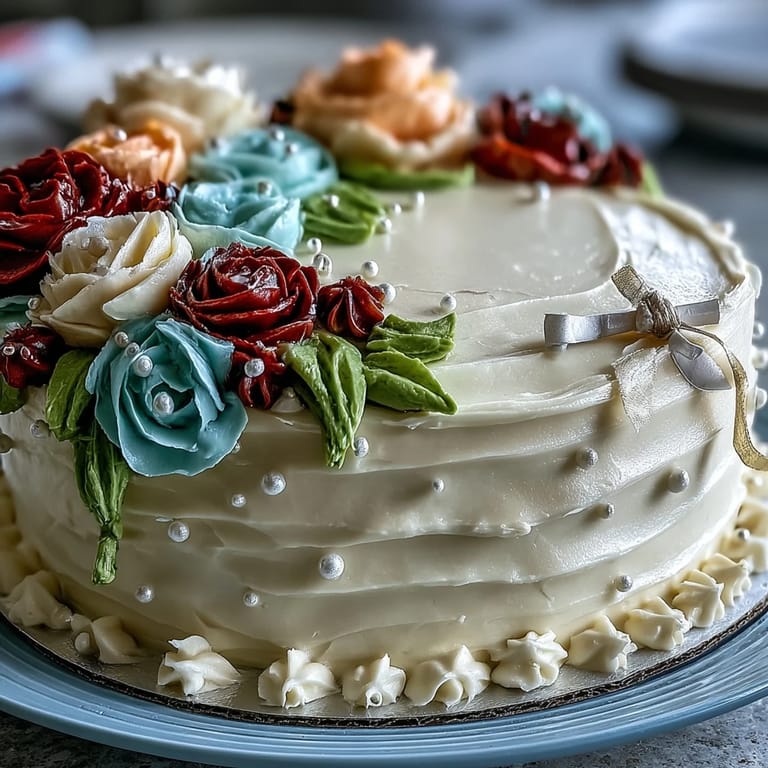
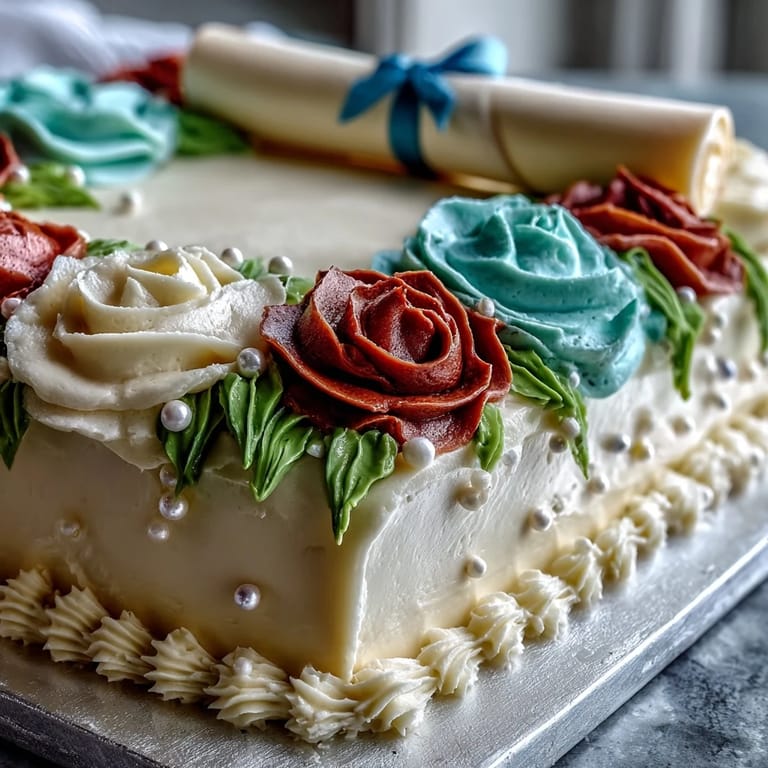
 The kitchen always seems a little brighter when there's a celebration underway, and the day I first attempted to make a graduation sheet cake still makes me laugh—my apron looked more like a painter's smock by the end. I remember the vibrant chatter in the living room while I piped buttercream roses, each as imperfect as my handwriting. The scent of vanilla and sugar tangled with anticipation, and when I finally placed the edible diploma on top, it felt like crowning the day's efforts. Decorating became less about precision and more about playful creativity. There's something gratifying about turning a blank sheet cake into a canvas for milestones.
One spring afternoon, I baked this cake for my cousin's backyard graduation party, and the frosting roses had everyone gathered around the kitchen island, guessing which color belonged to whose alma mater. Even the smallest mishaps—like a lopsided diploma—became inside jokes. By the second slice, laughter and crumbs mingled, and it felt as if I had baked a memory into every corner. Sharing this cake made the celebration feel bigger than just moving a tassel.
Ingredients
- All-purpose flour: I always sift it before measuring for a tender cake crumb; don’t skip this if you want a smooth texture.
- Granulated sugar: The sweet backbone of the cake—creaming it properly with butter gives you a light, fluffy base.
- Unsalted butter: Using room temperature butter ensures everything blends evenly without clumps.
- Whole milk: Room temp milk keeps the batter from curdling, which I learned after mistakenly pouring cold milk in.
- Eggs: Large and at room temperature, they bind everything beautifully and add richness.
- Vanilla extract: I usually sneak in an extra splash for fragrance and flavor.
- Baking powder: It’s the lift behind each bite, so double-check it’s fresh.
- Salt: Just a touch balances the sweetness—don’t forget or your cake may taste flat.
- Powdered sugar: Sifting is key for a lump-free buttercream that pipes neatly.
- Food coloring (gel): Gel forms vibrant roses without watering down the frosting; liquid color can ruin the shape.
- Edible pearls: These give a celebratory sparkle, ideal for finishing touches.
- Fondant or white chocolate: This shapes your diploma, and fondant is easier to handle than you might think.
Tired of Takeout? 🥡
Get 10 meals you can make faster than delivery arrives. Seriously.
One email. No spam. Unsubscribe anytime.
Instructions
- Prepare Your Pan:
- Grease your sheet pan well and line it with parchment, pressing the corners so it lays flat—no one wants stuck cake.
- Cream the Butter and Sugar:
- Beat the butter and sugar until pale and fluffy; listen for the beaters to sound smoother, then stop before things get too dense.
- Add Eggs and Vanilla:
- Add eggs one by one, mixing each in thoroughly—you’ll see the batter turn silkier, then stir in the vanilla.
- Combine the Dry Ingredients:
- Whisk together flour, baking powder, and salt in a separate bowl so everything’s evenly distributed.
- Alternate Dry and Wet Ingredients:
- Add flour mix and milk to your batter in three rounds, starting and ending with flour—scrape the bowl for any unmixed pockets.
- Pour and Smooth:
- Spread the batter into your pan and gently smooth the surface from corner to corner—gentle taps remove air bubbles.
- Bake the Cake:
- Bake until golden and a toothpick inserted in the center comes out clean; the aroma will alert the household it’s almost ready.
- Cool Completely:
- Let the cake rest in the pan 10 minutes before turning onto a rack; patience matters here or you risk cracks.
- Make Your Buttercream:
- Beat butter until creamy, then add powdered sugar and milk gradually, adjusting the texture so it’s soft enough to pipe but holds a peak.
- Color and Divide:
- Separate your buttercream into bowls and tint pink, red, yellow, and green—start with a toothpick, since gel color is powerful.
- Frost Your Sheet Cake:
- Spread a smooth layer of white buttercream over the cooled cake using an offset spatula for evenness.
- Pipe Roses and Leaves:
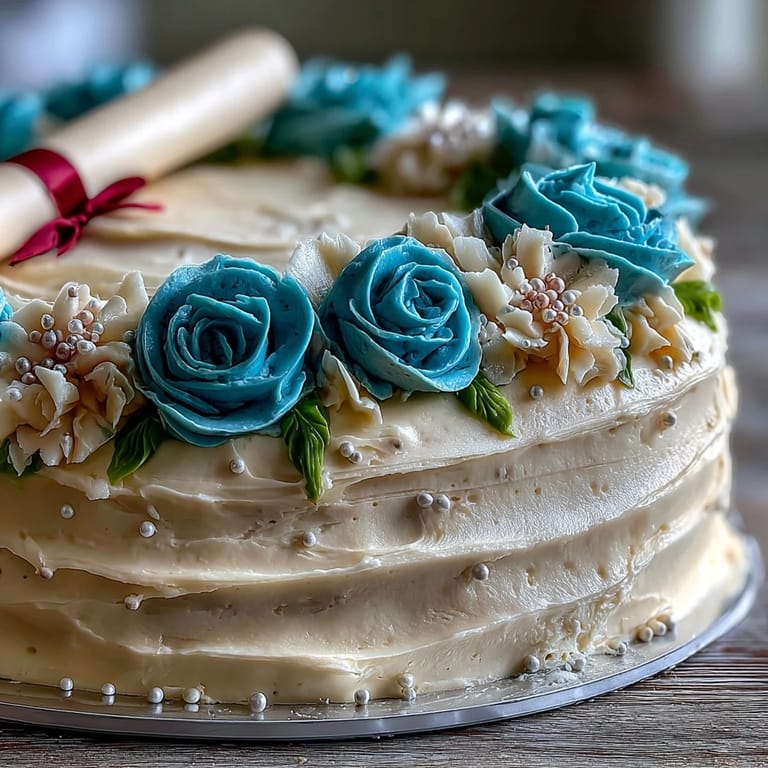
- Use a rose tip to create soft petals in swirling shapes; pipe green leaves alongside the flowers for a garden effect.
- Create the Diploma:
- Shape fondant or white chocolate into a mini scroll, wrap it with a colored ribbon, and nestle it among the roses.
- Add Final Decorations:
- Scatter edible pearls and any extra accents to bring sparkle and personality to your masterpiece.
 Pin It
 The best moment was seeing the graduate's eyes widen as their initials glimmered in edible gold—suddenly, the cake became the centerpiece of hugs, selfies, and storytelling. Whether it’s a classroom or a backyard, sharing this cake transforms simple celebration into something truly memorable.
Decorating Sheet Cakes Like a Pro
Piping roses may look intimidating initially, but once you practice on parchment, it becomes quite meditative. Mistakes can easily be scraped off and redone, so the pressure is off. I found that pairing colors based on school themes added a personal flair everyone enjoyed. If the buttercream feels too stiff, a splash more milk helps create those smooth, silky petals. Don’t be afraid to experiment with the arrangement—you can always move flowers before they set.
Choosing the Perfect Diploma Accent
Fondant diplomas might sound tricky, but rolling and shaping them is a satisfying hands-on moment. White chocolate works surprisingly well, lending a glossy sheen if you have some on hand. Colorful ribbons in school hues bring instant charm, and placing the diploma near the roses draws everyone’s eye. Gold pearls highlight the achievement, but even a plain diploma makes the cake feel special. Keep extra fondant ready for quick fixes if you tear the scroll.
Making It Your Own for Every Celebration
Personalizing the sheet cake for different grads is what makes this recipe endless fun. School logos, mascots, and custom colors turn each cake into a conversation starter. Plan decorating ahead of time to prevent last-minute stress, especially if you want intricate details or more than one diploma.
- Double-check gel color shades before mixing—they can be surprisingly intense.
- Keep the buttercream covered so it doesn’t crust over mid-decorating.
- Have a damp cloth nearby to quickly wipe piping tips between colors.
 Pin It
 There’s joy in celebrating milestones with both hands (and sleeves) in frosting. Share your graduation cake creation—there’s no wrong way to make it personal.
Recipe FAQs
- → How do I achieve vibrant buttercream rose colors?
Use gel food coloring for intense hues without altering the frosting's texture. Adjust shades to match school colors for a personal touch.
- → Can I make the cake ahead of time?
The cake can be baked and frosted a day in advance. Store covered at room temperature, adding decorations just before serving for freshness.
- → What can I use for the edible diploma decoration?
Shape fondant or white chocolate into a scroll, tie with colored fondant, and place on top. It adds a whimsical, educational accent.
- → How do I pipe buttercream roses?
Use a piping bag fitted with a rose tip. Start at the center and spiral outward, creating petals with gentle, controlled movements.
- → Is it possible to make a chocolate version?
Substitute ¾ cup flour with unsweetened cocoa powder for a chocolate sheet cake base. Adjust baking times as needed.
- → What allergens should I be aware of?
This dessert contains wheat, eggs, and dairy. Review all ingredient labels, especially decorations and colorings, for additional allergens.