 Pin It
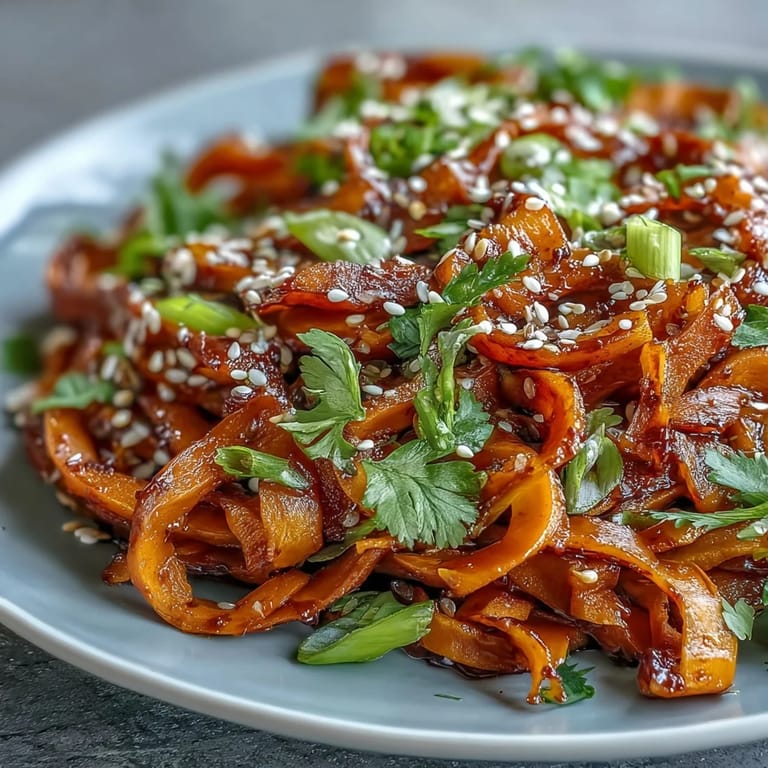
 I discovered gochujang paste at a Korean market on a rainy Tuesday, and honestly, I bought it on a whim because the label looked interesting. That jar sat in my fridge for weeks until I needed something quick but exciting for dinner. Roasting some swede with whatever vegetables I had on hand seemed like a good idea, and then I remembered that fiery red paste. The combination of sweet maple, salty soy, and that unmistakable chili heat transformed something ordinary into a dish I've made dozens of times since.
My partner was skeptical when I served this the first time, mostly because swede isn't exactly trendy. But after one bite of those golden roasted ribbons coated in that glossy gochujang sauce, he asked for seconds and then wanted the recipe. Now it's become our go-to when friends visit and we want something that looks impressive but doesn't stress us out in the kitchen.
Ingredients
- Swede (1 large): This root vegetable ribbons beautifully and caramelizes gorgeously in the oven, developing a subtle sweetness that plays perfectly against the spicy dressing. I use a mandoline for speed, but a sharp knife and patience work just as well.
- Rice noodles (250 g): They cook quickly and have a delicate texture that won't overpower the vegetables, plus they're naturally gluten-free if that matters to you.
- Gochujang (3 tbsp): This fermented Korean chili paste is the soul of this dish, bringing depth and complexity that you can't replicate with regular chili powder. Start with what the recipe calls for and adjust to your heat tolerance.
- Soy sauce (1½ tbsp): Use tamari if you need gluten-free, and don't skip it because that umami punch is essential to balancing the sweetness and heat.
- Maple syrup (2 tbsp): Honey works fine too, but maple adds a subtle earthiness that feels right with the roasted vegetables.
- Sesame oil (1 tbsp): Make sure it's toasted sesame oil, not the clear stuff, because you need that nutty flavor to tie everything together.
- Rice vinegar (1 tbsp): This adds brightness and cuts through the richness without making the dish feel heavy.
- Garlic and ginger: Fresh grated versions deliver so much more flavor than the jarred alternatives, and they take literally thirty seconds to prepare.
- Spring onions and fresh cilantro: These finish the dish with freshness and visual appeal, so don't treat them as optional.
Tired of Takeout? 🥡
Get 10 meals you can make faster than delivery arrives. Seriously.
One email. No spam. Unsubscribe anytime.
Instructions
- Get your oven ready and prep the swede:
- Preheat to 220°C (425°F) while you peel and ribbon your swede, then toss those ribbons with vegetable oil, salt, and pepper until they're evenly coated. Spread them in a single layer on your baking sheet and slide them into the oven.
- Roast until golden and tender:
- This takes about 25 to 30 minutes, and you'll want to turn them halfway through so they caramelize evenly on both sides. Your kitchen will smell incredible, and that's when you know it's working.
- Cook the noodles while the swede roasts:
- Follow the package instructions, then drain them and rinse with cold water to stop the cooking and prevent them from clumping together. Set them aside in a large mixing bowl.
- Whisk together the dressing:
- Combine gochujang, soy sauce, maple syrup, rice vinegar, sesame oil, grated garlic, ginger, and chili flakes if you're using it. Add the water gradually while whisking until you reach a pourable consistency that coats the back of a spoon.
- Bring everything together:
- Add the roasted swede, sliced spring onions, julienned carrot, and bean sprouts to the noodles, then pour the dressing over everything and toss until every strand and ribbon is glossy and coated. The warmth of the swede will slightly warm the noodles, which is perfect.
- Finish and serve:
- Divide among bowls and scatter toasted sesame seeds and fresh cilantro over the top while everything is still warm.
 Pin It
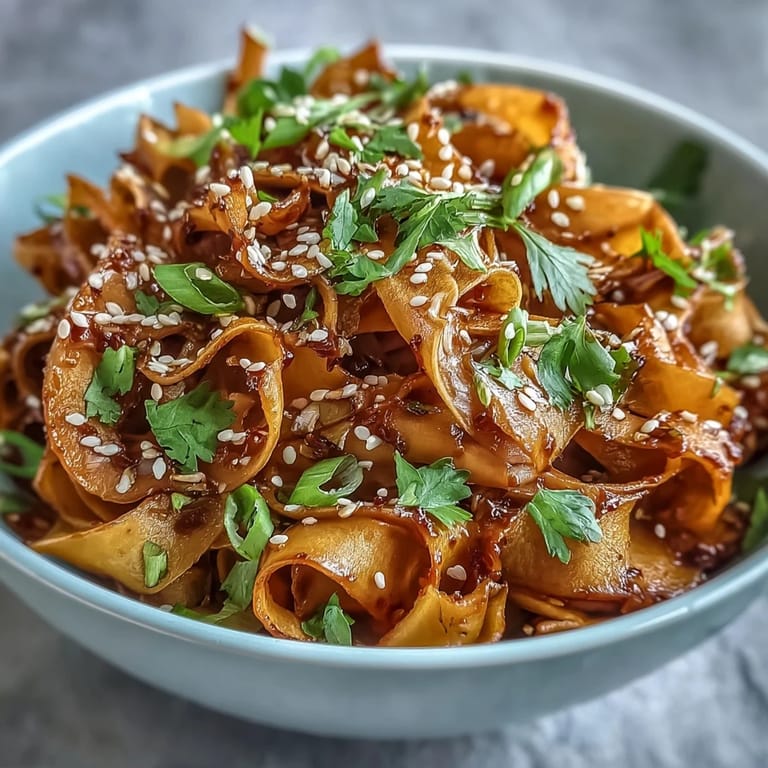
 There's something about a bowl of noodles that just brings people together, and this dish has a way of making everyone feel like they're eating something special. I've learned that food doesn't need to be complicated or traditional to be memorable, it just needs to taste good and come from a place where you actually cared about making it.
Building Flavor Layers
The magic of gochujang comes from its fermented depth, which builds when you layer it with other bold flavors rather than trying to tame it. I used to think you needed lots of individual ingredients to create complexity, but this dressing taught me that a few quality components in the right proportions create more impact than a long list of mediocre additions. The sweetness from maple, the saltiness from soy, the heat from gochujang, and the richness from sesame oil create a dressing that tastes like it spent hours developing when it really took five minutes to whisk together.
Roasting as Transformation
I used to boil my vegetables because it was quick, but roasting changed everything about how I approach cooking. High heat draws out the natural sugars and creates caramelization that adds sweetness and complexity without adding sugar. The swede ribbons go from raw and slightly bitter to tender and almost honeyed, which is why they pair so brilliantly with something spicy instead of fighting against it.
Making It Your Own
This recipe is actually a template masquerading as a fixed formula, and the best versions I've made have been when I adapted it to whatever was in my kitchen or growing in my garden. Roasted broccoli works beautifully, as do thin slices of beet or parsnip, and I've even added roasted chickpeas when I wanted extra protein without tofu. The dressing stays the same, which is the real genius of the dish.
- If you want heartier protein, pan-fry some cubed tofu in a little sesame oil and toss it in at the end, or scatter some edamame across the top.
- A squeeze of fresh lime juice right before eating brightens everything up and adds complexity without needing to adjust the dressing.
- Make extra dressing because it keeps in the fridge for a week and turns ordinary roasted vegetables into something exciting the next day.
 Pin It
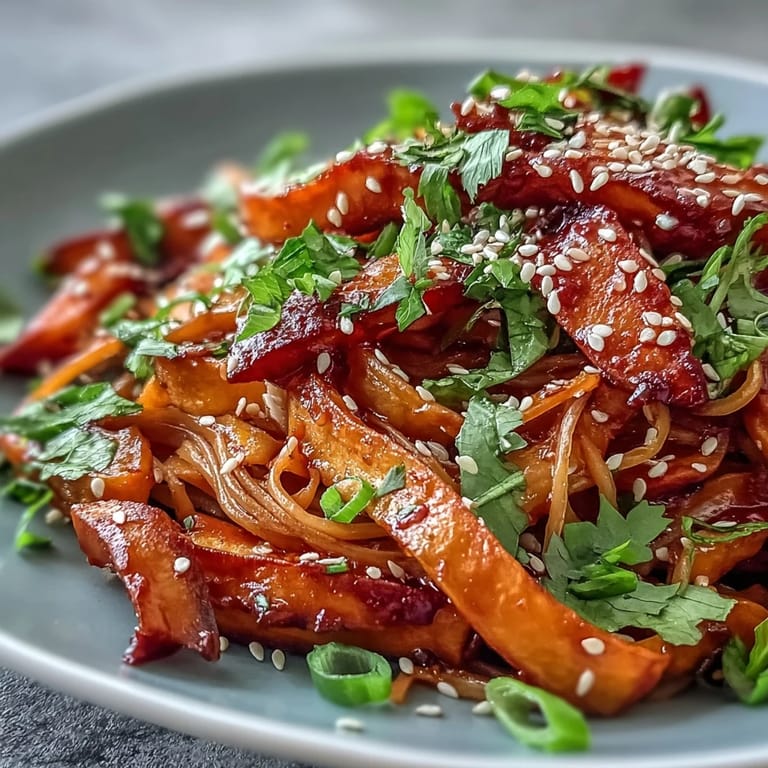
 This dish reminds me that the best meals don't come from following rules perfectly, but from understanding why those rules exist and then knowing when to bend them. Make it your way, taste as you go, and don't be afraid to adjust the heat or sweetness until it feels right to you.
Recipe FAQs
- → Can I use a different vegetable instead of swede?
Yes, you can substitute swede with butternut squash, sweet potato, or even zucchini ribbons. Adjust roasting time based on the vegetable's density and water content.
- → How spicy is this dish?
The spice level is moderate due to the gochujang. You can reduce the gochujang amount or omit the chili flakes for a milder version, or add more for extra heat.
- → Can I make this ahead of time?
You can roast the swede and prepare the dressing in advance. Store separately and combine with freshly cooked noodles when ready to serve for best texture.
- → What can I use instead of gochujang?
While gochujang provides unique flavor, you can substitute with sriracha mixed with a little miso paste, or use another Asian chili paste. The flavor profile will differ slightly.
- → Is this dish gluten-free?
It can be made gluten-free by using tamari instead of soy sauce and ensuring your gochujang brand is certified gluten-free. Rice noodles are naturally gluten-free.
- → How do I store leftovers?
Store in an airtight container in the refrigerator for up to 3 days. The noodles may absorb some dressing, so you might want to prepare extra dressing for reheating.