 Pin It
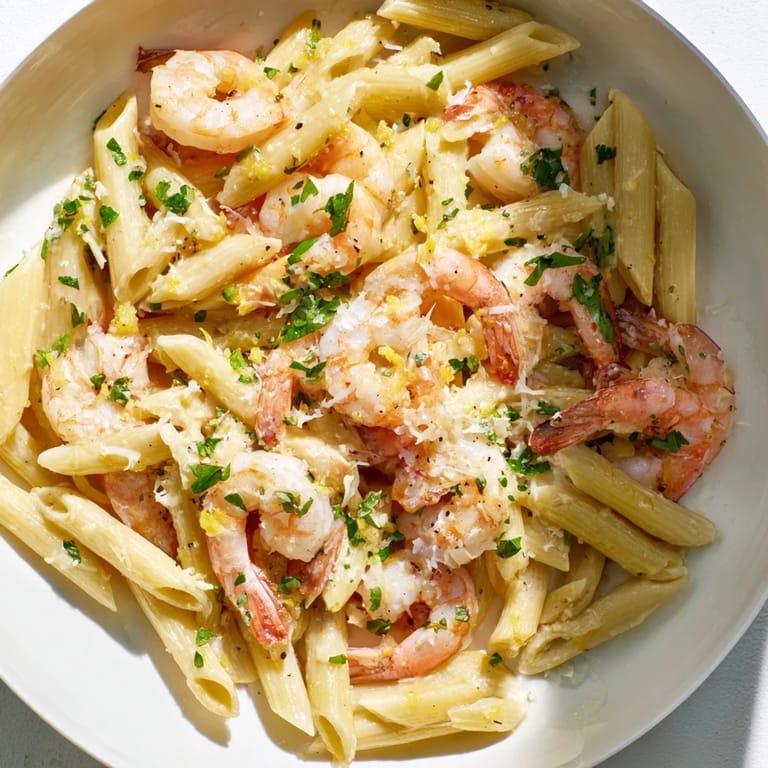
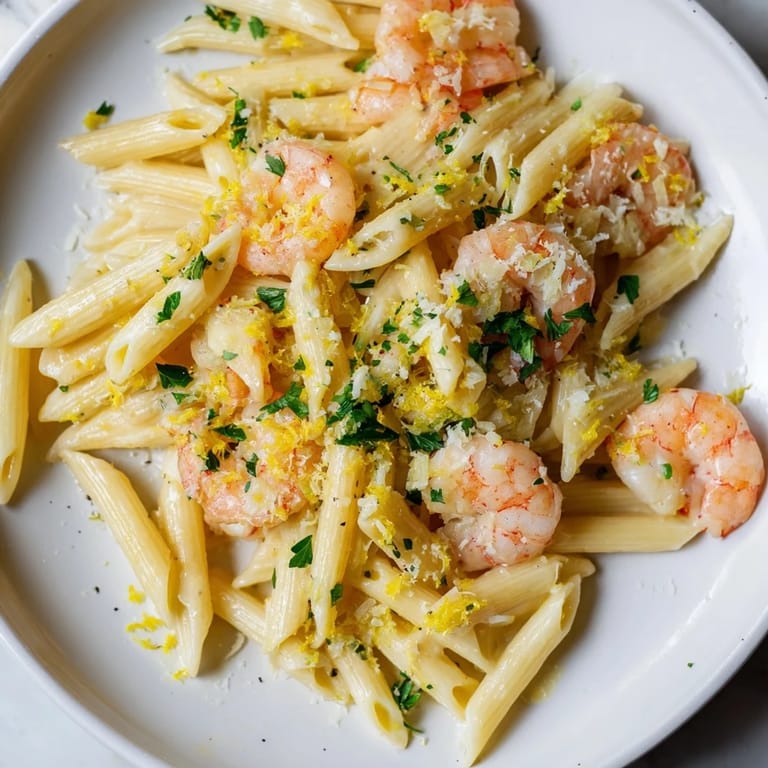
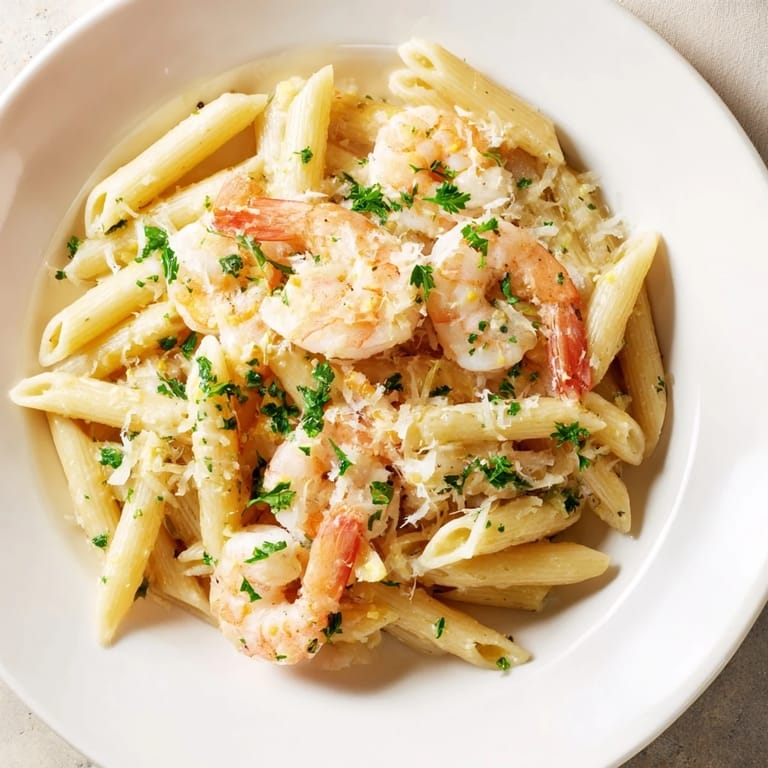
 There's something about the smell of garlic hitting hot butter that pulls you into the kitchen whether you meant to cook or not. I made this garlic shrimp penne one weeknight when I had exactly 30 minutes before friends were coming over, and I realized halfway through that I'd grabbed penne instead of the linguine I'd planned for. It didn't matter—the shrimp turned pink, the garlic filled the air with that unmistakable warmth, and everyone asked for the recipe before dessert even arrived.
I learned this dish tastes best when you're not overthinking it—a Tuesday night, someone you actually want to talk to across the table, maybe a glass of cold white wine sweating on the side. The simplicity is what makes it work. No cream, no heavy cream, just butter, garlic, and the shrimp's own sweetness speaking for itself.
Ingredients
- Large shrimp: 400 g peeled and deveined—ask your fishmonger to do this if they haven't already, and pat them completely dry before cooking or they'll steam instead of sear.
- Penne pasta: 350 g dried—cook it one minute shy of the package time so it keeps a slight bite when the sauce coats it.
- Garlic: 4 cloves minced fine, almost to a paste—this is where the magic lives, so don't skip it.
- Shallot: 1 small one chopped small, softer than garlic and a touch sweeter to balance the bite.
- Fresh parsley: 2 tbsp chopped—use the flat-leaf kind if you can, it has better flavor than the curly stuff.
- Lemon zest and juice: The zest of 1 lemon plus 1 tbsp juice—this brightens the whole dish and keeps it from feeling heavy.
- Unsalted butter: 60 g total, split between searing the shrimp and building the sauce—you taste it more when you use less, so quality matters here.
- Parmesan cheese: 2 tbsp grated into the pasta, more for the table—freshly grated melts better than pre-shredded.
- Extra-virgin olive oil: 2 tbsp to start the shrimp and finish the aromatics—good oil makes a noticeable difference.
- Red pepper flakes: A pinch if you like heat, optional but it adds a whisper of spice that wakes everything up.
- Salt and black pepper: Season the shrimp first, then taste as you go—you can always add more but you can't take it back.
Tired of Takeout? 🥡
Get 10 meals you can make faster than delivery arrives. Seriously.
One email. No spam. Unsubscribe anytime.
Instructions
- Get your water going:
- Fill a large pot with water, salt it like the sea, and set it to boil hard. You want this ready before anything else because timing is your friend here.
- Cook the penne:
- Once it's rolling, add the penne and stir it in the first minute so nothing sticks. Set a timer for one minute before the package tells you to, then fish out a piece and taste—you want it tender but with a little resistance when you bite down. Scoop out half a cup of that starchy water before you drain, then set the pasta aside.
- Prepare your shrimp:
- Pat them dry with paper towels—moisture is the enemy of a good sear. Season them lightly with salt and pepper on both sides.
- Sear the shrimp:
- Get your large skillet over medium-high heat and let it warm for a minute. Add 1 tbsp olive oil and 1 tbsp butter, and when it foams slightly, lay the shrimp out in a single layer—don't crowd the pan or they'll steam. Leave them alone for 1 to 2 minutes, then flip and cook the other side until they're just pink and opaque, maybe another minute. They'll keep cooking a little when you add them back in, so don't wait for them to be fully done. Slide them onto a plate.
- Build your sauce base:
- In the same skillet, add the remaining oil and butter. Once it's warm, add the chopped shallot and let it soften for about a minute, then add all that minced garlic. You'll smell it almost immediately—that's when you know it's right. Stir constantly so it doesn't catch the bottom, just 30 seconds until it's fragrant and golden.
- Wake it up with acid:
- Add the red pepper flakes if you're using them, then the lemon zest and juice. The sizzle and brightness will cut through all the richness.
- Bring it together:
- Add the drained penne to the skillet and toss it through that garlicky butter, letting the pasta pick up all those flavors. Pour in some of that reserved pasta water—start with a quarter cup and add more if you need it to loosen things up. The starch in that water will help the sauce cling to every piece of pasta.
- Reunite with the shrimp:
- Return the shrimp to the pan and toss everything gently so you don't break them apart. Stir in the chopped parsley and Parmesan, then taste and adjust salt and pepper.
- Serve right away:
- This is best eaten immediately while everything is hot and the flavors are at their brightest. Divide into bowls, crack some more Parmesan over the top if you like, and eat while it matters.
 Pin It
 I served this to someone who said they didn't usually like shrimp because it was always rubbery and disappointing, and watching them come back for seconds told me everything I needed to know about cooking at the right temperature. Food doesn't have to be complicated to matter.
Why This Works So Well
The whole reason this dish sings is because you're not adding cream or heavy sauce to hide anything—everything has to be good on its own. The shrimp needs to be fresh and cooked perfectly, the garlic has to be fragrant without turning bitter, and the pasta needs that slight chew. It's Italian in spirit but feels approachable, elegant enough for guests but quick enough for a Tuesday. There's no complicated technique, just attention and a little care.
Wine and Pairing
A crisp Sauvignon Blanc or Pinot Grigio is the natural choice here—something with bright acidity that echoes the lemon and cuts through the richness of the butter. Pour it cold, drink it before it gets warm, and watch how it lifts everything on the plate. If you don't drink wine, a sparkling water with lemon is just as lovely.
Kitchen Wisdom and Variations
This recipe is a foundation more than a rulebook. Once you understand why each element is there, you can adjust it. Want a richer sauce? A splash of heavy cream stirred in right before the parsley is how you get there. Prefer a different pasta shape? Linguine or spaghetti work beautifully because the sauce coats long strands differently than tubes. Some nights I add a handful of baby spinach or a few cherry tomatoes halved; other times I stick to the pure version. The real skill is knowing what tastes good to you and trusting that instinct.
- If you can't find good fresh shrimp, frozen ones work fine—just thaw them completely and pat them very dry.
- Toast a few breadcrumbs in a dry pan and finish the dish with them if you want a little texture and nuttiness on top.
- Leftover pasta keeps for two days in the fridge but tastes best reheated gently in a skillet with a splash of olive oil and a squeeze of fresh lemon.
 Pin It
 This is the kind of meal that reminds you why cooking at home matters. It takes 30 minutes, uses ingredients you probably have, and tastes like you spent all evening in the kitchen.
Recipe FAQs
- → What type of pasta is best for this dish?
Penne pasta is ideal for this dish as its tube shape holds the garlic butter sauce well, but linguine or spaghetti can also be used.
- → How do I ensure the shrimp is perfectly cooked?
Cook shrimp 1–2 minutes per side until just pink and opaque to avoid overcooking and maintain tenderness.
- → Can I make the sauce creamier?
Add a splash of cream along with the reserved pasta water to create a richer, creamier sauce.
- → How do I prevent the pasta from sticking?
Reserve some salted pasta water before draining and toss the pasta with the sauce immediately; the starch helps keep it from sticking.
- → What wine pairs well with this dish?
Crisp white wines like Sauvignon Blanc or Pinot Grigio complement the garlic butter shrimp and enhance the flavors.