 Pin It
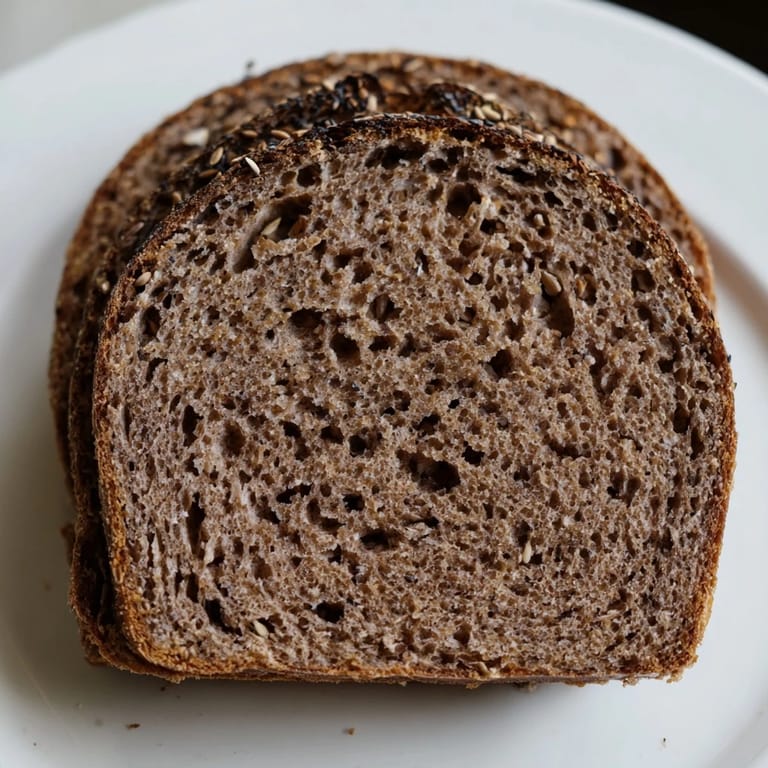
 My first encounter with Estonian leib was in a cramped kitchen in Tallinn, where a neighbor's grandmother wordlessly handed me a thick slice still warm from her oven, its dark crust nearly black. The smell hit me first—earthy rye, hints of molasses, and something I couldn't quite name until she explained: caraway seeds, toasted just before mixing. That single slice, spread with salted butter, tasted like generations of Baltic winters captured in bread. I spent the next two years chasing that flavor, failing spectacularly more than once, until I understood that this bread demands patience and a living starter that's truly awake.
I made this for a dinner party once, ambitious and nervous, pulling the loaf from the oven just as everyone arrived. The moment the knife went through that dark crust, steam rose up and fogged my glasses—my friend laughed and said it smelled like a Scandinavian dream. Three slices disappeared before anyone sat down, and I realized then that this bread wasn't something to show off; it was something to share.
Ingredients
- Active rye sourdough starter (100 g): This is your living engine—make sure it's bubbly and shows that fermented smell before you begin, or the bread will taste flat and dense.
- Dark rye flour (400 g): The backbone of the bread; it gives that distinctive earthy character and the tight, moist crumb Estonian bakers have perfected.
- Bread flour (100 g): Just enough gluten to give the dough structure without making it springy or light.
- Lukewarm water (300 ml): The temperature matters—too hot kills the starter, too cold slows fermentation.
- Dark rye malt (50 g): This is the secret weapon; it adds subtle sweetness and that almost-coffee depth that makes people ask what's in your bread.
- Molasses or dark honey (2 tbsp): Complements the malt and rounds out the earthiness with just enough sweetness to feel balanced.
- Caraway seeds (1 tbsp, plus extra for topping): Toast them lightly if you want their flavor to really sing; untoasted gives a gentler presence.
- Fine sea salt (2 tsp): Don't skip this or reduce it—salt awakens every flavor in rye bread.
Tired of Takeout? 🥡
Get 10 meals you can make faster than delivery arrives. Seriously.
One email. No spam. Unsubscribe anytime.
Instructions
- Wake your starter and begin:
- Pour your bubbly starter into a large bowl with the lukewarm water and molasses, stirring until everything dissolves into a dark, glossy liquid. You're basically creating a fermented foundation that will rise into bread over the next day or so.
- Bring the flours together:
- Add the rye flour, bread flour, malt powder, caraway seeds, and salt all at once, then mix with a wooden spoon until you have a thick, shaggy mass that looks almost paste-like. Rye dough never looks like wheat dough—it's stickier and heavier, which is exactly right.
- First rise—the long patience:
- Cover the bowl with a damp cloth and let it sit at room temperature for 10 to 12 hours, or overnight. You're looking for visible expansion and a surface dotted with bubbles; the dough will smell wonderfully fermented, slightly sour, complex.
- Shape and prepare for oven:
- Line a loaf pan with parchment or grease it lightly, then scrape your dough into it, smoothing the top with a wet spatula. If you want caraway seeds on the crust, sprinkle them now—they'll toast as the bread bakes.
- Second rise—watch it climb:
- Cover again and let it rise 2 to 4 hours until the dough reaches close to the rim of the pan. This is where you'll see the most dramatic rise, so don't rush it.
- Set up steam and heat:
- Preheat your oven to 220°C (430°F) and place a pan of hot water on the bottom rack. Steam is what gives this bread its dark, slightly glossy crust and keeps it from drying out inside.
- Bake with two temperatures:
- Bake at 220°C for 15 minutes to set the crust and color it deeply, then drop the temperature to 190°C (375°F) for another 30 minutes. The bread is done when the crust is nearly black and the loaf sounds hollow when you tap it on the bottom.
- Cool completely before cutting:
- Remove from the oven and let it cool on a wire rack. This is the hardest part—your kitchen will smell incredible and you'll want to slice into it immediately, but if you do, the inside will still be setting and you'll get a gummy crumb.
 Pin It
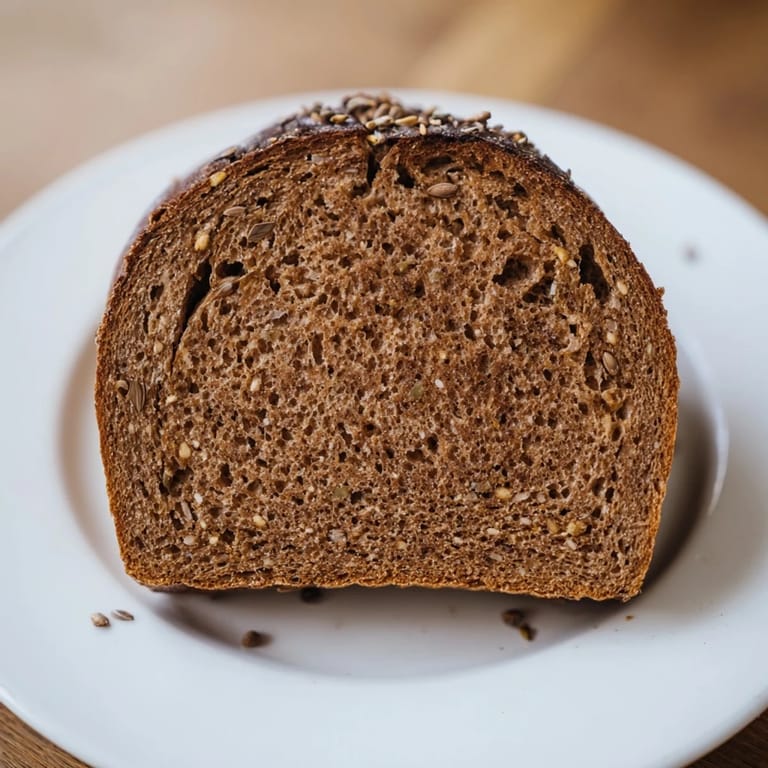
 I remember slicing into my third attempt at this bread on a gray Sunday morning, and for the first time, the crumb was exactly right—dark, moist, just dense enough to hold a slice without crumbling. I made an open-faced sandwich with smoked salmon and butter, sat by the window, and tasted what I'd been chasing all those months in Tallinn.
The Magic of Malt and Molasses
Rye malt is one of those ingredients that seems fancy but actually teaches you something about how fermentation works. Unlike wheat, rye has natural enzymes that come alive during malting, and when you add that malt to your dough, it's feeding your starter's bacteria in a very specific way. The molasses isn't just sweetness—it's history, carrying notes of caramel and depth that make this bread taste like it's been around for centuries. Together, they create a flavor profile that feels warm and ancient.
Caraway: The Seed That Defines Estonian Bread
Caraway has been grown in Estonia since medieval times, and one taste of this bread explains why. The seeds taste slightly anise-like, a little peppery, and they add a gentle spice that surprises you on the second bite. Some bakers toast them first, which brings out an almost nutty undertone; others use them raw for a cleaner flavor. If you've never toasted spice seeds before, try it with the caraway—spread them in a dry pan over medium heat for just a minute, until fragrant, and you'll understand why traditional bakers swear by it.
Storage and Serving Wisdom
This bread keeps beautifully for up to a week wrapped in a clean towel or linen cloth; the moisture stays trapped inside while the crust stays firm. Slice it thin and pair it with smoked fish, aged cheese, or simply spread with good salted butter. In Estonia, this bread is also traditionally served with thin slices of dark chocolate for a simple afternoon snack—the earthiness and sweetness are stunning together.
- Wrap in a linen cloth rather than plastic to let the crust stay crisp while the crumb stays moist.
- If it dries out slightly, lightly spritz the wrapped loaf with water and warm it in a low oven for 10 minutes.
- Freeze slices individually and toast them straight from the freezer for breakfast toast that tastes almost as good as fresh.
 Pin It
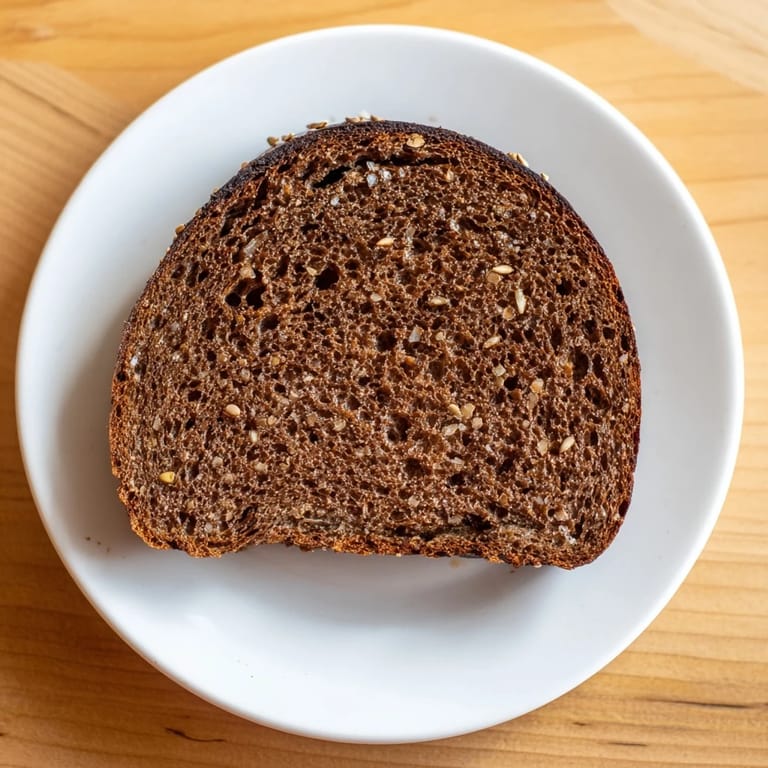
 Bread like this reminds you that some of the best things in life require you to wait, to pay attention, and to trust a process that's older than you are. It's worth every hour.
Recipe FAQs
- → What makes this bread unique?
The use of rye malt and caraway seeds creates a distinct aroma and deep flavor typical of Estonian dark breads.
- → How long does the rising process take?
It involves a long fermentation with about 10–12 hours for the first rise and 2–4 hours for the second, enhancing texture and taste.
- → Can I substitute the molasses?
Dark honey can be used as an alternative to molasses, providing similar sweetness and moisture.
- → What is the purpose of steaming during baking?
Placing hot water in the oven creates steam that helps form a chewy, moist crust on the bread.
- → How should the loaf be stored?
Wrap the cooled loaf in a clean towel and store at room temperature; it stays fresh for up to a week.