 Pin It
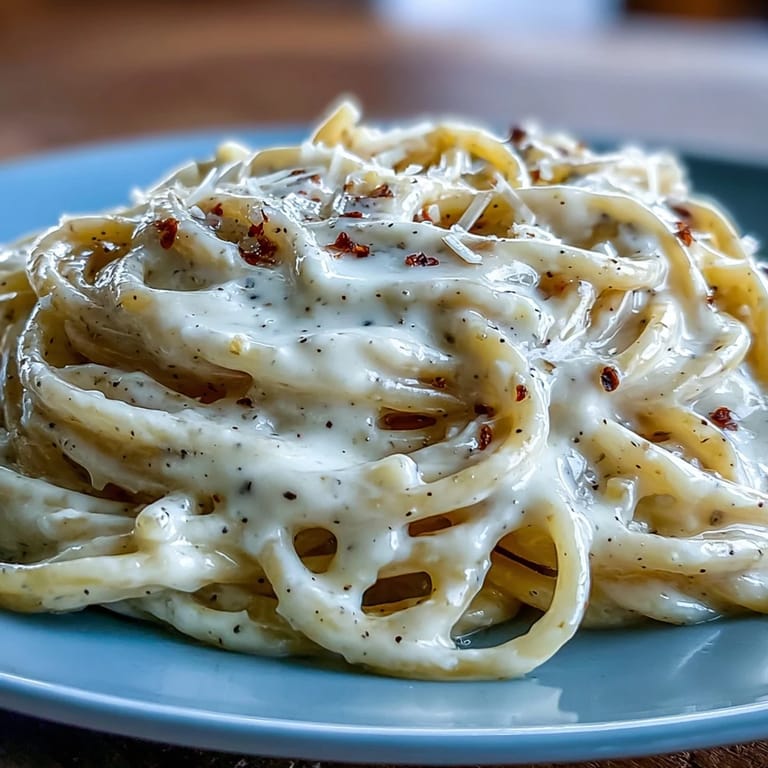
 My first cacio e pepe came together in a tiny Roman kitchen on a random Tuesday, not by plan but by necessity. The pasta water caught the light as it boiled, steam rising thick and insistent, and I remember standing there realizing I had exactly four ingredients and something close to magic waiting to happen. There's something almost defiant about a dish this stripped down—no cream, no fancy technique, just the audacity to believe that pepper and cheese could transform humble pasta into something transcendent. That night it did.
I made this for my sister the week she moved into her first apartment, nothing in the kitchen but a burner and a single skillet. She stood at the stove, skeptical about pasta with just cheese and pepper, and I watched her face change when that first bite hit her tongue. We ate standing up, leaning against the bare counter, and she asked me to write it down before I left. It's the only recipe she actually uses.
Ingredients
- Spaghetti or tonnarelli: 400 g (14 oz). Tonnarelli is the traditional choice, slightly thicker than spaghetti, but any long pasta works—the starch matters more than the shape.
- Pecorino Romano cheese: 120 g (4.2 oz), finely grated. This is non-negotiable; the sharp, salty bite is what makes the whole dish sing. Pre-shredded cheese has anti-caking agents that will ruin your emulsion.
- Black peppercorns: 2 tsp, freshly cracked. Crack them by hand just before cooking if you can; the oils are at their brightest right then.
- Kosher salt: 1 tsp for the pasta water. It needs to taste almost like the sea.
- Unsalted butter: 1 tbsp, optional. Traditionalists skip it, but a small knob adds insurance against a broken sauce.
Tired of Takeout? 🥡
Get 10 meals you can make faster than delivery arrives. Seriously.
One email. No spam. Unsubscribe anytime.
Instructions
- Salt the water generously and bring it to a rolling boil:
- Fill a large pot three-quarters full and let it heat while you prep everything else. You want the water salty enough that it reminds you of the sea; this seasons the pasta from the inside out and sets the foundation for everything that follows.
- Cook the pasta until just shy of al dente:
- Add the spaghetti or tonnarelli and fish out a piece about one minute before the package says it's done. It should have a slight resistance when you bite it because it will continue cooking in the skillet with the sauce.
- Toast the pepper in a dry skillet over medium heat:
- Let those cracked peppercorns sit in the pan for about a minute until the kitchen fills with that warm, almost floral pepper aroma. This wakes up the oils and deepens the flavor beyond what raw pepper could give you.
- Add hot pasta water and reduce the heat:
- Pour in about 1 cup of that starchy cooking water and turn the heat down to low. The pasta water is the secret weapon here—it's what brings the cheese and pepper together into something creamy without any cream at all.
- Combine the pasta with the pepper bath:
- Toss the drained pasta into the skillet and let it tumble around for a minute, soaking up that peppery water. This is where the pasta starts its transformation from plain to alive.
- Remove from heat and add the cheese with vigor:
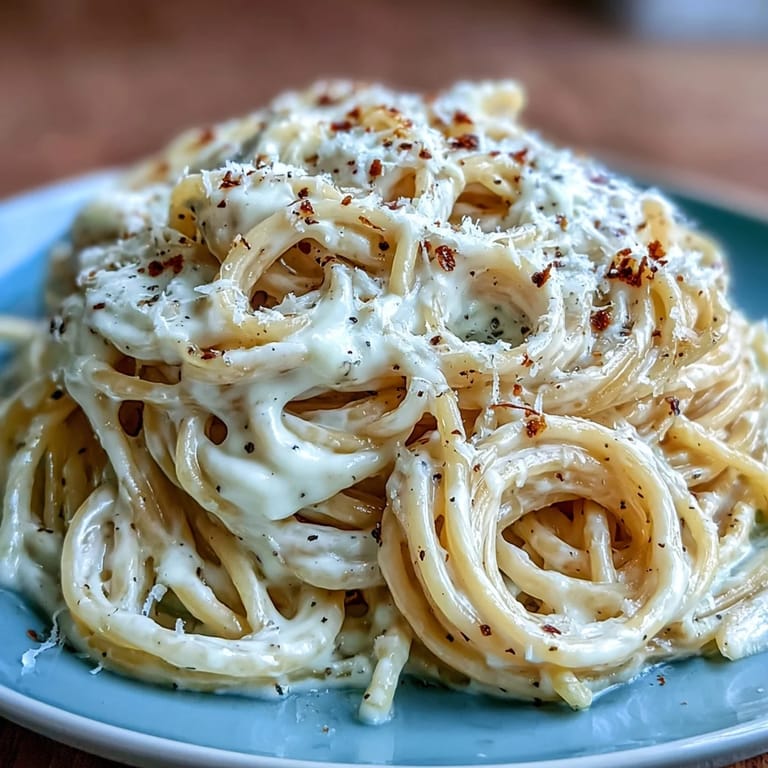
- This step is critical: turn off the heat first, then sprinkle in the grated Pecorino in handfuls while tossing and stirring constantly. The friction and residual heat will emulsify it into something silky. If it looks too thick, add more pasta water, a splash at a time, until you get a creamy sauce that coats every strand.
- Add butter if using, then serve immediately:
- If you're using butter, toss it in now and let it melt into the hot pasta. Dish it out right away into warm bowls and top with more Pecorino and freshly cracked pepper.
 Pin It
 There was a moment, watching someone taste cacio e pepe for the first time, when I understood why Roman grandmothers have made this the same way for generations. The simplicity isn't laziness—it's trust in ingredients and the knowledge that restraint sometimes creates perfection.
The Technique That Changes Everything
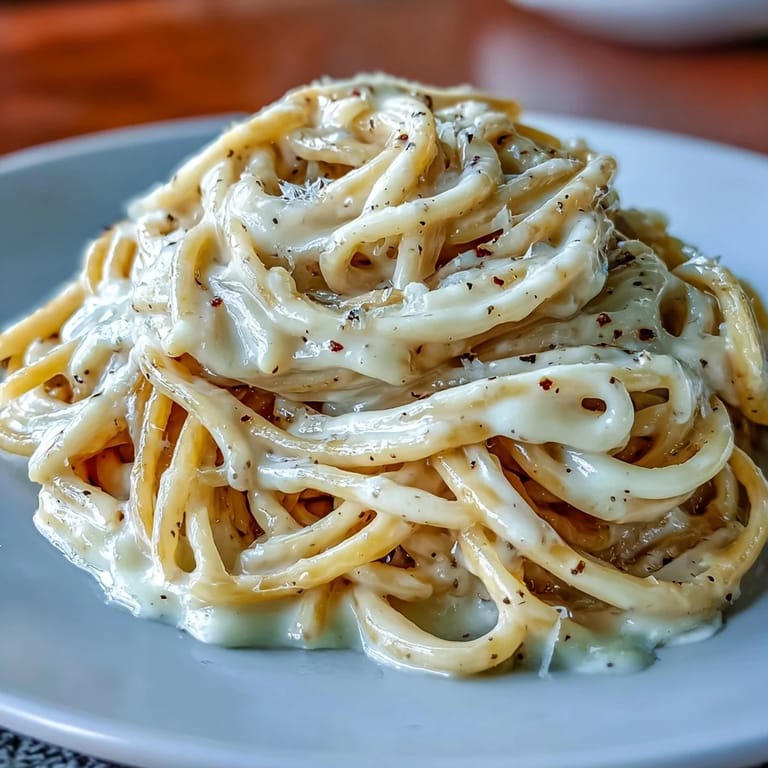
What makes cacio e pepe feel like it has cream when it doesn't is emulsification. The starch in the pasta water binds with the fat in the cheese and coats every strand, creating a glossy, creamy texture through pure chemistry. This is why you can't skip reserving the pasta water and why pre-shredded cheese won't work—the anti-caking agents interrupt this process. It's also why this dish demands your attention in those final moments. You can walk away during boiling, but not during finishing.
Pepper: More Than Just Heat
Cacio e pepe is built on a foundation of black pepper, but most people use it wrong. Ground black pepper loses its volatile oils within days of being ground; by the time it reaches your pasta, it's mostly dust. Cracking whole peppercorns fresh, then toasting them, releases their aromatic oils and adds a depth that changes the entire character of the dish. It stops tasting like pasta with black pepper and starts tasting like something intentional.
Making It Your Own While Staying True
The beauty of cacio e pepe is that with so few ingredients, each one speaks loudly. This means quality matters more than quantity—use the best Pecorino Romano you can find, buy spaghetti from a trusted source, and don't rush the pepper toasting. Small choices compound into noticeably better results. The dish is forgiving enough for an amateur to succeed but precise enough that attention to detail pays off immediately.
- If your sauce breaks and becomes grainy, whisk in a splash of cold pasta water off the heat to calm it down.
- Serve in warmed bowls so the heat doesn't abandon the pasta before it reaches the table.
- This dish is best eaten within moments of finishing, so call everyone to the table before you start the final toss.
 Pin It
 Cacio e pepe proves that the most memorable meals aren't built on complexity but on respect for what you're working with. Make this when you want to feel like you're cooking without effort.
Recipe FAQs
- → What type of cheese works best for Cacio e Pepe?
Pecorino Romano is essential for authentic results. This sharp, salty sheep's milk cheese provides the distinctive flavor profile. Avoid pre-shredded varieties as they contain anti-caking agents that prevent smooth melting. Always grate fresh Pecorino just before cooking.
- → Why does my sauce turn clumpy instead of creamy?
Clumping occurs when cheese is added to water that's too hot or added too quickly. Remove the skillet from heat before adding cheese, and sprinkle it gradually while tossing vigorously. The residual heat and starchy pasta water will create a smooth emulsion without scrambling the cheese.
- → Can I use a different pasta shape?
While tonnarelli is traditional, spaghetti works beautifully. Long pasta shapes allow the sauce to coat every strand evenly. Avoid short pasta like penne, as they don't capture the creamy sauce as effectively and aren't traditional for this Roman dish.
- → How important is the pasta cooking water?
The starchy pasta water is crucial for creating the signature creamy sauce. It helps emulsify the cheese and pepper into a silky coating. Always reserve at least 1½ cups before draining, and add it gradually to achieve the perfect consistency.
- → Should I toast the black peppercorns?
Yes, toasting freshly cracked black pepper in a dry skillet for about one minute awakens its essential oils and intensifies the flavor. This step is key to achieving the bold, aromatic pepper taste that defines authentic Cacio e Pepe.
- → Is butter traditional in Cacio e Pepe?
Traditional Roman Cacio e Pepe contains only pasta, Pecorino Romano, black pepper, and pasta water. However, some modern versions include a small amount of butter for extra richness and easier emulsification. Purists prefer the classic three-ingredient approach.