 Pin It
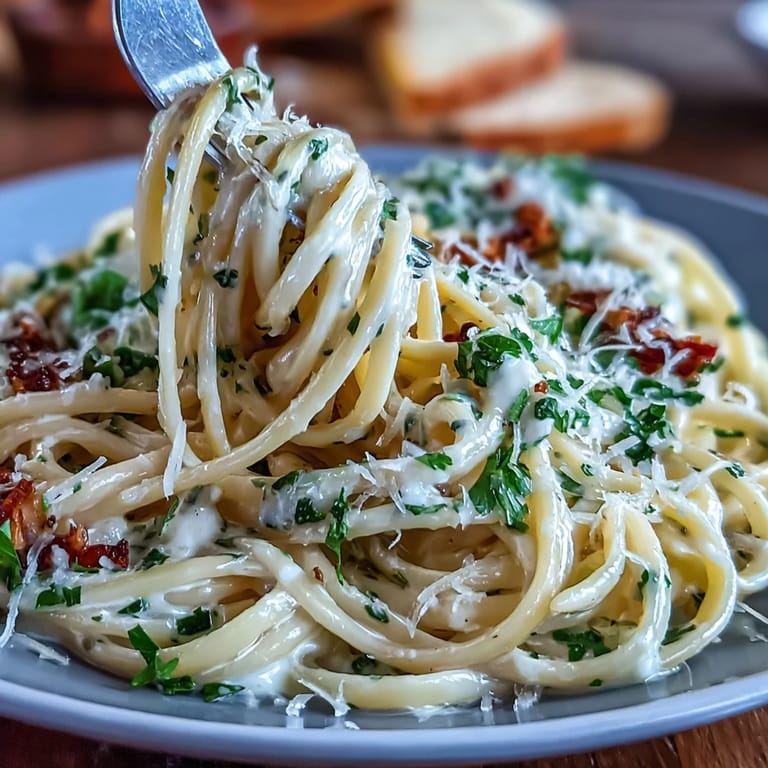
 My neighbor knocked on my door one April evening with a handful of fresh peas from her garden, still in their pods, and I suddenly understood why spring deserves its own cuisine. That night, I threw together whatever bright ingredients I had on hand—butter, lemon, pasta—and ended up with something so effortlessly elegant that I've made it countless times since. There's something about how the sauce clings to each strand, how the peas pop between your teeth, that makes you feel like you're cooking something far more complicated than you actually are. It's the kind of dish that tastes like springtime in a bowl.
I served this to my parents on a whim during their last visit, plating it with way too much Parmesan because I was nervous about whether they'd think it was too simple. My dad took one bite and asked for seconds before I'd even sat down, which for him is practically a standing ovation. That's when I realized this dish doesn't need pretension or fuss—it just needs good timing and ingredients you actually care about.
Ingredients
- Linguine or spaghetti (12 oz): Go with whichever shape you have or prefer; the thinner pasta catches the butter sauce more elegantly than thick strands.
- Fresh or frozen green peas (1 cup): Fresh peas in spring are a gift, but frozen ones work beautifully and honestly taste fresher than sad supermarket fresh ones.
- Garlic (2 cloves, minced): Don't skip the mincing—garlic slivers have a habit of becoming bitter before you notice.
- Lemon zest and juice: Use a real lemon, never the bottled stuff; the zest is where all the personality lives.
- Fresh parsley (2 tbsp, chopped): This is your brightness at the end; it wakes everything up in the last moment.
- Unsalted butter (4 tbsp): Unsalted gives you control; salted butter can throw off your seasoning balance.
- Grated Parmesan (1/2 cup, plus more): Grate it fresh if you can—pre-shredded cheese has additives that prevent it from melting as smoothly into the sauce.
- Salt and black pepper: Taste as you go; what works for one batch might need adjusting based on your butter, your peas, your mood.
Tired of Takeout? 🥡
Get 10 meals you can make faster than delivery arrives. Seriously.
One email. No spam. Unsubscribe anytime.
Instructions
- Get your water boiling and your ingredients ready:
- Fill a large pot three-quarters full with water and salt it until it tastes like the sea. While you're waiting for it to boil, mince your garlic and zest your lemon directly into a small bowl.
- Cook the pasta until it's just barely tender:
- Follow the package timing but start testing a minute before; al dente means it still has a tiny bit of resistance when you bite it. Before draining, scoop out a cup of that starchy water—it's liquid gold for making your sauce silky.
- Warm the butter and build your flavor base:
- In a large skillet over medium heat, let the butter melt until it's foaming slightly, then add your garlic. You'll know it's right when the kitchen fills with that toasted garlic smell; if it starts to brown, you've gone too far.
- Add the peas and let them warm through:
- Frozen peas just need 2-3 minutes to heat through; fresh ones want a tiny bit longer until they're tender but not mushy. Give them a stir now and then, letting them soak up that buttery garlic taste.
- Brighten everything with lemon:
- Pour in your lemon juice and sprinkle the zest across the top, stirring until the whole skillet smells like hope. Taste a tiny spoonful of the sauce—this is where you're building the foundation.
- Bring your pasta and sauce together:
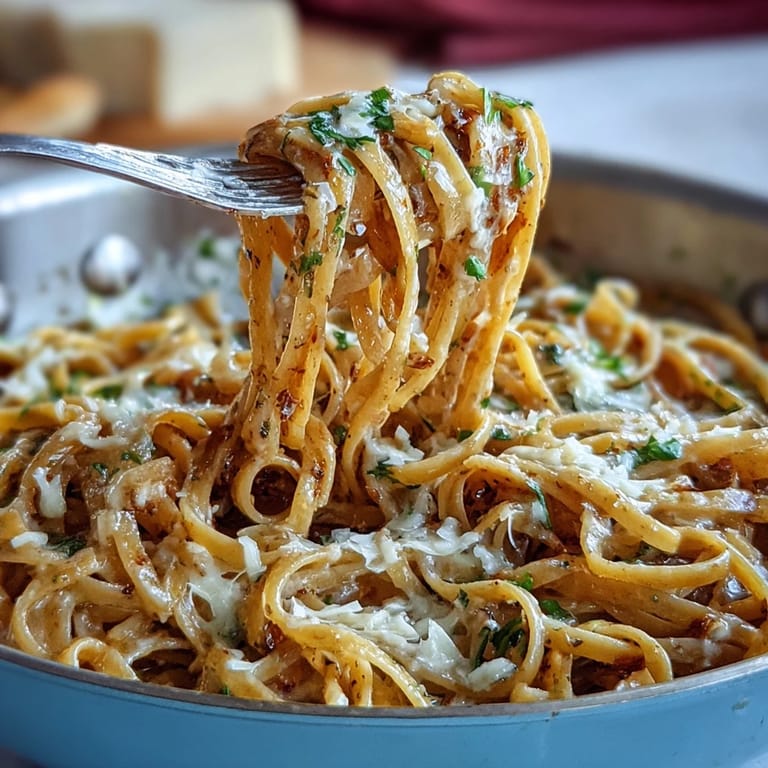
- Add the drained pasta directly to the skillet with about half a cup of that reserved pasta water. Toss everything constantly so the starch from the water emulsifies with the butter and creates that creamy, clingy sauce you're after.
- Finish with cheese and final seasoning:
- Sprinkle in your Parmesan while tossing gently; it should melt into the sauce within seconds. Add more pasta water if it looks too thick, tasting as you go for salt and pepper balance.
- Add freshness and serve immediately:
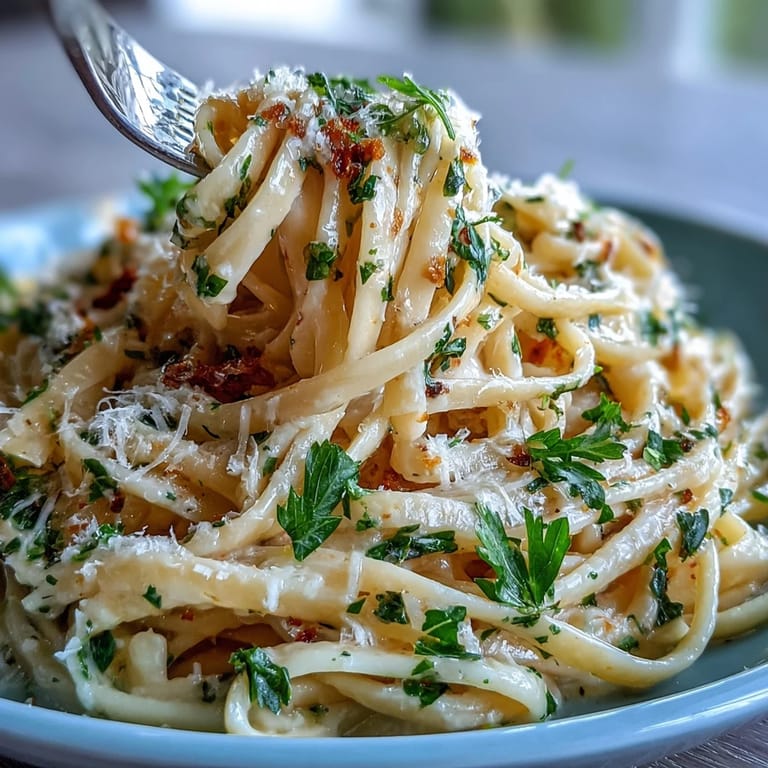
- Off the heat, stir in your fresh parsley—it should stay bright green, not cooked. Serve right away with extra Parmesan and a grind of black pepper on each plate.
 Pin It
 There was an evening when a friend was going through a rough time, and I made this for them without asking if they wanted it. They called me the next day just to say that sometimes simple food made with care hits differently than any pep talk could. That's when I understood that cooking isn't really about technique or ingredients—it's about paying attention to what someone needs.
When to Make This Dish
Spring is this recipe's natural home, but it works beautifully any time you want something bright without being heavy. I make it on Wednesday nights when I'm tired but don't want to pretend takeout feels satisfying, and I've served it at impromptu dinner parties because it's impressive enough to feel special but honest enough that nobody feels like you stressed all day. It's equally at home on a quiet evening alone or feeding four people around a table.
Making This Your Own
The architecture of this dish is flexible enough to welcome your own ingredients without losing its character. Add shrimp if you want protein, toss in spinach or arugula with the peas for extra greens, or swap half the butter for olive oil if richness isn't what you're after that night. I've made it with frozen peas on snowy January evenings when I needed to remember spring existed, and every version tastes like itself while somehow still being this same delicious dish.
The Science of the Silky Sauce
What makes this sauce feel luxurious instead of just buttery comes down to emulsification—that starchy pasta water you reserved is doing real work, helping fat and water hold hands instead of separating. The Parmesan adds richness but also helps stabilize the sauce once you get the temperature and tossing rhythm right. It's honestly magical how something so straightforward becomes something that feels almost decadent without any cream involved.
- The key is constant gentle tossing once the pasta hits the skillet; this helps the emulsion happen instead of fighting against it.
- If your sauce breaks and looks greasy, don't panic—add a splash more pasta water and toss faster, and it almost always comes back together.
- Serve immediately on warm plates because this dish cools quickly and tastes best eaten while it's still steaming.
 Pin It
 This is the kind of recipe that reminds you why cooking matters—not because it's complicated, but because it turns five ingredients into something that tastes like care. Make it once, and you'll find yourself making it again whenever you need dinner to feel a little bit like spring.
Recipe FAQs
- → What type of pasta works best for this dish?
Linguine or spaghetti are ideal as their shape holds the lemon-butter sauce and peas well.
- → Can I use frozen peas instead of fresh?
Yes, frozen peas can be used; simply cook them until heated through for tender texture.
- → How can I make the sauce creamier?
Reserve some pasta water and add gradually while tossing to achieve a silky, creamy sauce consistency.
- → Are there any suggested additions to enhance the dish?
Adding baby spinach or arugula alongside peas, or protein like sautéed shrimp or grilled chicken, complements the flavors nicely.
- → What cheese should I use for best flavor?
Freshly grated Parmesan provides a nutty, savory finish that balances the lemony butter sauce perfectly.
- → Is it necessary to add parsley?
Chopped parsley adds a fresh herbal note that brightens the dish, but can be omitted if unavailable.